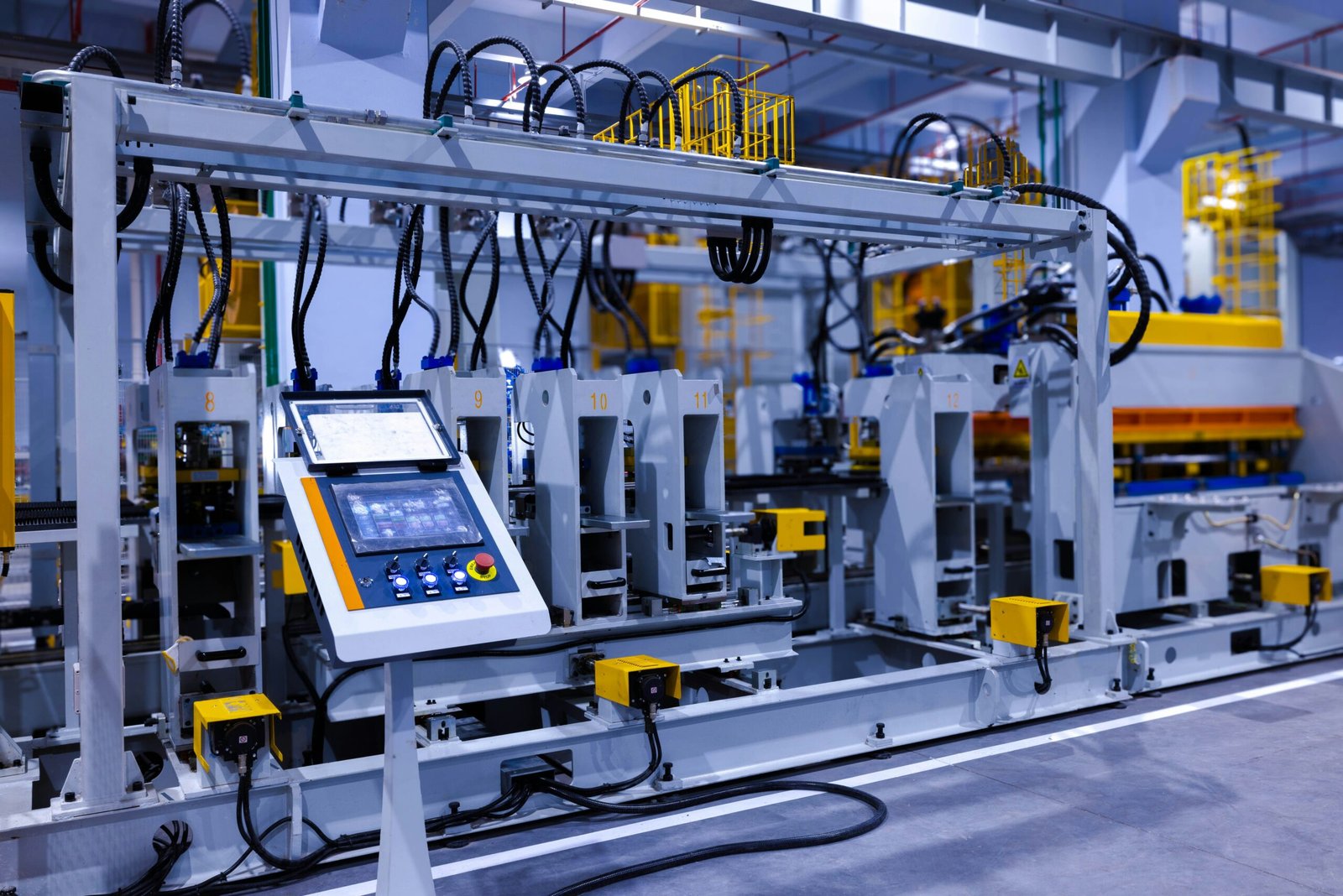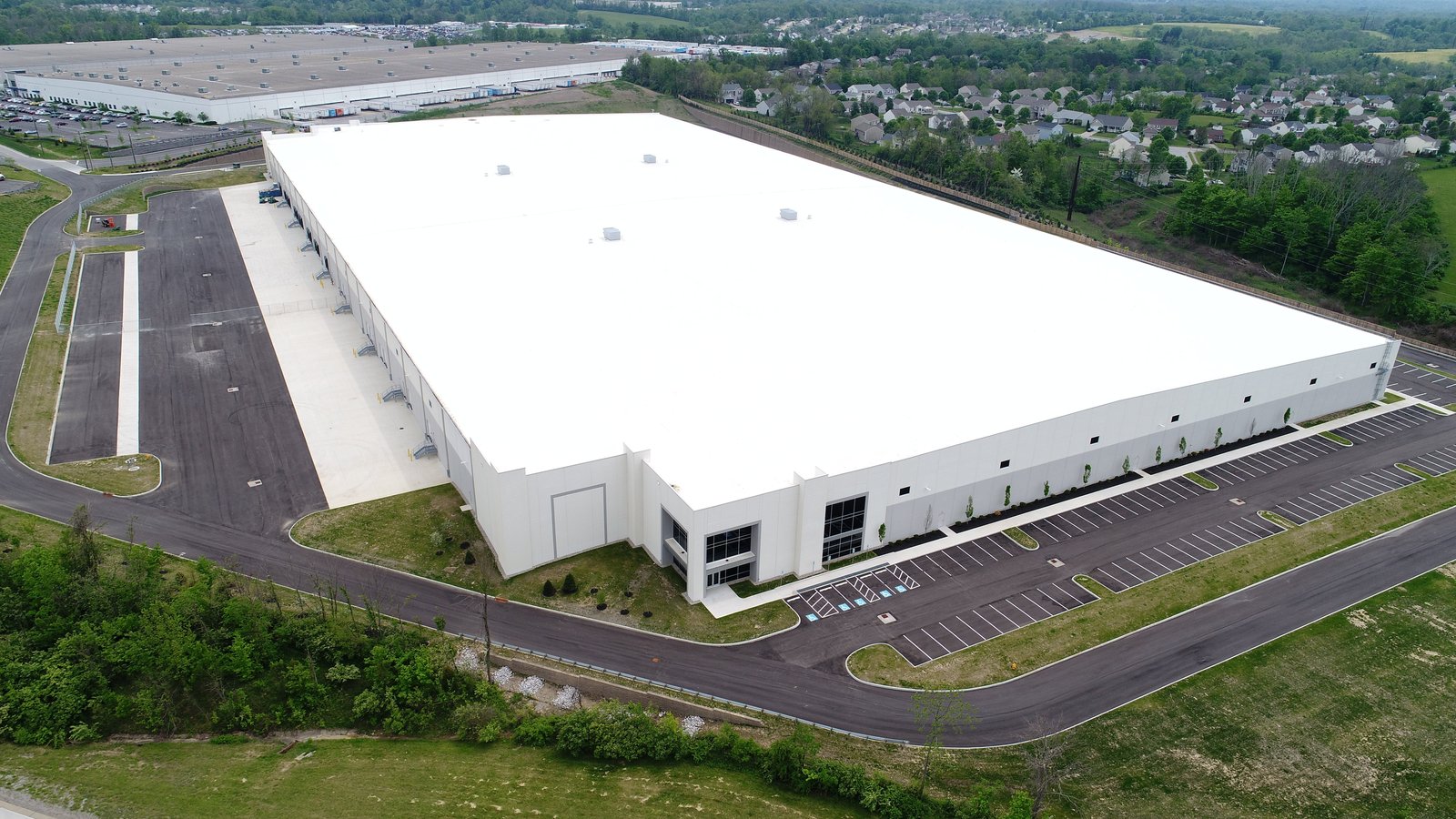
Wind turbine blades, cheese and rail steel are all made in Colorado, and each needs a different kind of building. Vestas has made turbine blades and nacelles in Brighton, and in February 2021 announced that Windsor would take over blade production. Leprino Foods built an 883,000 square foot cheese plant in Greeley. EVRAZ broke ground on a solar-powered rail mill in Pueblo. The common thread is that none of these is a warehouse with a few machines. They are process buildings with heavy floors, big utilities and expansion built into the plan.
We build manufacturing plants with the same discipline we bring to distribution: define the flow, then size the building around it. Raw materials in, work in process, finished goods out. Where the plant sits relative to rail, the interstate and the labor pool changes the site plan, and the site plan changes the schedule.
If your project is closer to storage and shipping than production, see our warehouse page. If you need a smaller, flexible footprint, flex and light industrial may fit better.
Plants we expect to serve
Colorado manufacturing runs from food and beverage to energy equipment to aerospace and electronics. Westminster's economic profile lists Ball Corporation with 1,335 employees at its headquarters and manufacturing operations, and Maxar and Trimble among top primary employers. In the north, Great Western Industrial Park in Windsor lists tenants such as Vestas, Carestream, Hexcel and Cargill.
Our manufacturing and distribution work is built for operators who both make and ship, and for automotive parts suppliers who need production space close to a distribution dock. We bring a logistics eye to the plant so finished goods leave as smoothly as materials arrive. Plants that assemble vehicles have their own building needs, covered under automotive and EV plant construction.
Colorado sites that suit production
Great Western Industrial Park is a 3,000-acre master-planned park with dual rail interchanges to Union Pacific and BNSF, sites from 5 to 200 acres, and industrial buildings from 60,000 to 1,000,000 square feet. Rail service is a real design input for a plant that moves bulk inputs. In Pueblo the city lists the St. Charles Industrial Park, an Opportunity Zone with rail freight access, and states that commercial and industrial construction costs about 10 to 15 percent less than the national average.
Golden shows the brownfield-and-expansion side of the market. Molson Coors broke ground in October 2020 on an overhaul of its brewery that added fermenting, aging and filtration capacity, and the Golden site has more than 800 employees. Existing plants expanding inside an operating facility require a different mindset than greenfield work, and we plan for live-plant logistics from the start.
What we manage most closely
A plant's concrete matters more than its walls. Heavy equipment pads, trenches, sumps and thickened-edge slabs on grade are all part of the structure. We handle the industrial concrete floors that carry presses, lines and process tanks, and we coordinate embeds and anchor bolts so equipment sets without chipping.
On steel, we erect frames with overhead crane runways when the process needs lifting. Our high-bay crane-ready building approach designs the column loads and runway beams first, then lets the envelope follow. Process piping, electrical and controls trades coordinate through one superintendent.
Working beside live production
Expansions often happen with the plant running. We set up separate access, dust and noise control, hot work permits and lockout procedures, and we schedule tie-ins for planned shutdowns. If a line has to stop for a day, we plan the day so the shutdown is productive.
Safety planning starts at preconstruction. We review the plant's own rules, contractor orientation and any process hazards, then build our plan on top. A clean site with defined lanes for forklifts, deliveries and site crews keeps both schedules intact.
Permits, process review and local codes
Colorado's codes are adopted locally. In Windsor and unincorporated Weld County, the county adopted the 2024 International Building Code effective June 15, 2026, with engineered foundation designs required for most new structures. In the Pikes Peak region, Colorado Springs, Fountain and Monument each use the 2023 Pikes Peak Regional Building Code, which carries the 2021 International Building Code. Process plants also trigger fire marshal review and hazardous materials classification.
We help owners sort what is a building permit, what is a process permit and what is an environmental or utility approval. Engaging early with the building department and utilities avoids discovering late that a transformer or a pretreatment requirement controls the date.
Sequencing a plant build
Plant schedules are tied to equipment delivery. Machinery has long lead times, and the building has to be ready to receive it. We build backward from the set date: slab and pits first, then enclosure, then utilities, then equipment set, then commissioning support. If the equipment arrives early, we adjust the sequence.
Utilities are the second clock on any plant. Power service size, gas capacity, process water, wastewater pretreatment and compressed air all have to be sized before the slab is poured, because trenches and sleeves are far cheaper in a green slab than in a cured one. We carry a utility matrix from the first meeting, with each service, its provider, its lead time and the day it must be live for equipment startup. Commissioning then becomes a controlled handoff, with punch lists written by area so production can take over a bay at a time instead of waiting for the whole building to finish. We keep scope clear, track long-lead items weekly and tell owners about small slips before they become big ones.
Talk through your plant
Share the equipment list, the throughput and the target site. We will review slab loads, utilities, rail and permitting, then come back with a budget and a phased schedule.
Common Questions
What floor thickness do manufacturing plants need?
It depends on loads. Presses, heavy forklifts and pallet racks all call for different slab thicknesses and reinforcement. We work from your equipment list and engineer the slab to match, adding thickened areas and isolation joints where machines need them.
Can you build a plant near rail in Colorado?
Yes. Several Colorado industrial parks have rail access, including Great Western Industrial Park in Windsor and St. Charles Industrial Park in Pueblo. We coordinate spur design with the railroad and keep grades, curves and clearances in the site plan.
How do you handle an expansion inside an operating plant?
We phase work around production, set up separate access and protect operations from dust and noise. Tie-ins are scheduled for shutdown windows that you control.
Do manufacturing plants need special permits beyond a building permit?
Often. Fire marshal review, hazardous materials classification, air or water permits and utility approvals can apply. We help you map them early so approvals run alongside design.
Is it cheaper to build in Pueblo than on the Front Range?
The city of Pueblo states that commercial and industrial construction costs about 10 to 15 percent less than the national average. Labor draw, utility capacity and freight access also matter, so we compare sites on total cost, not only construction cost.