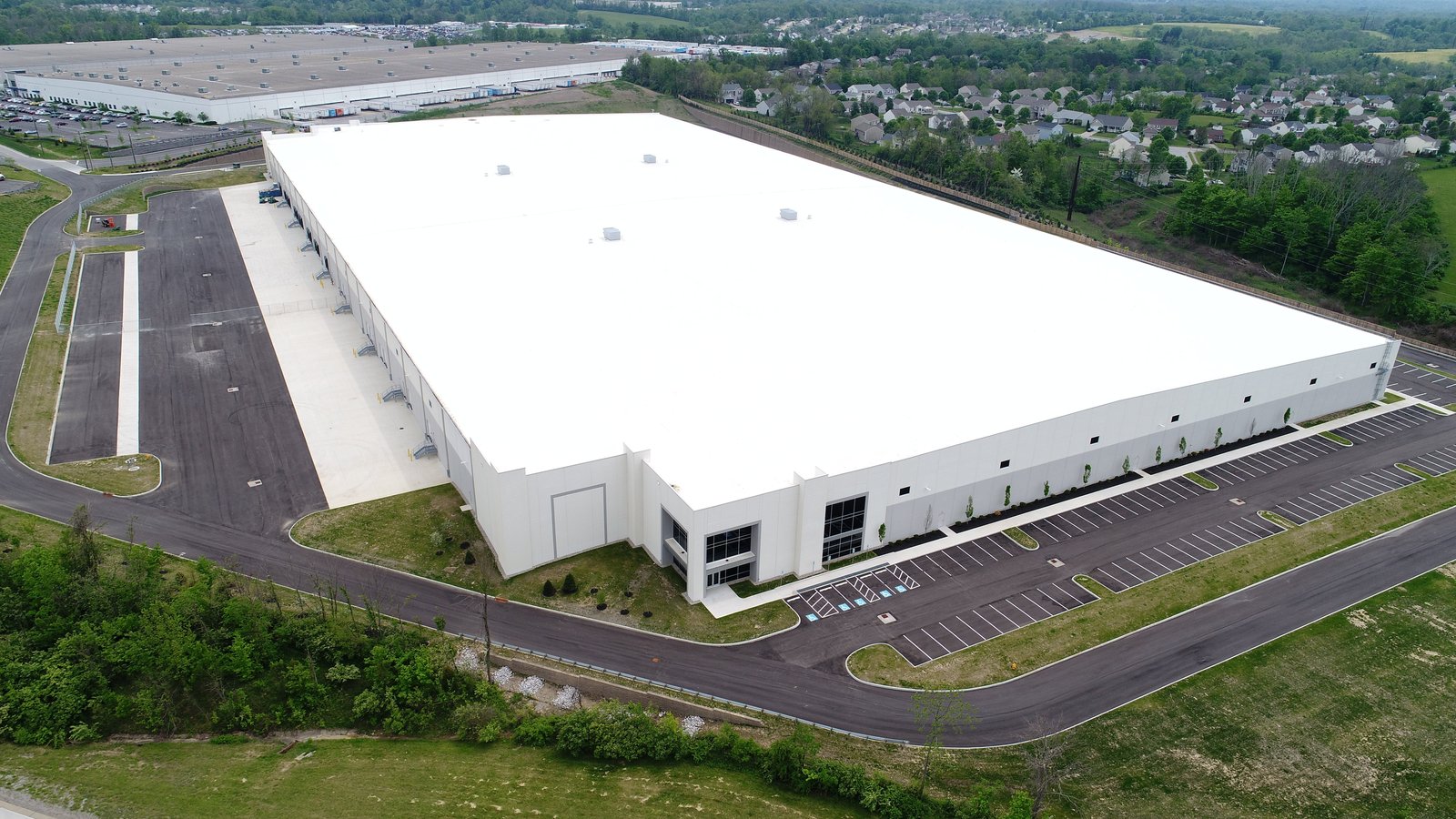
Same-day part availability is a promise that gets made at the counter and kept at the dock. Automotive parts distribution carries tens of thousands of SKUs, from brake pads to body panels to tires, and the building has to let a picker reach the right one in seconds. We build the warehouses behind parts counters, repair shops, fleets and online sellers: master distribution centers, regional hubs and the smaller branch buildings that feed delivery vans.
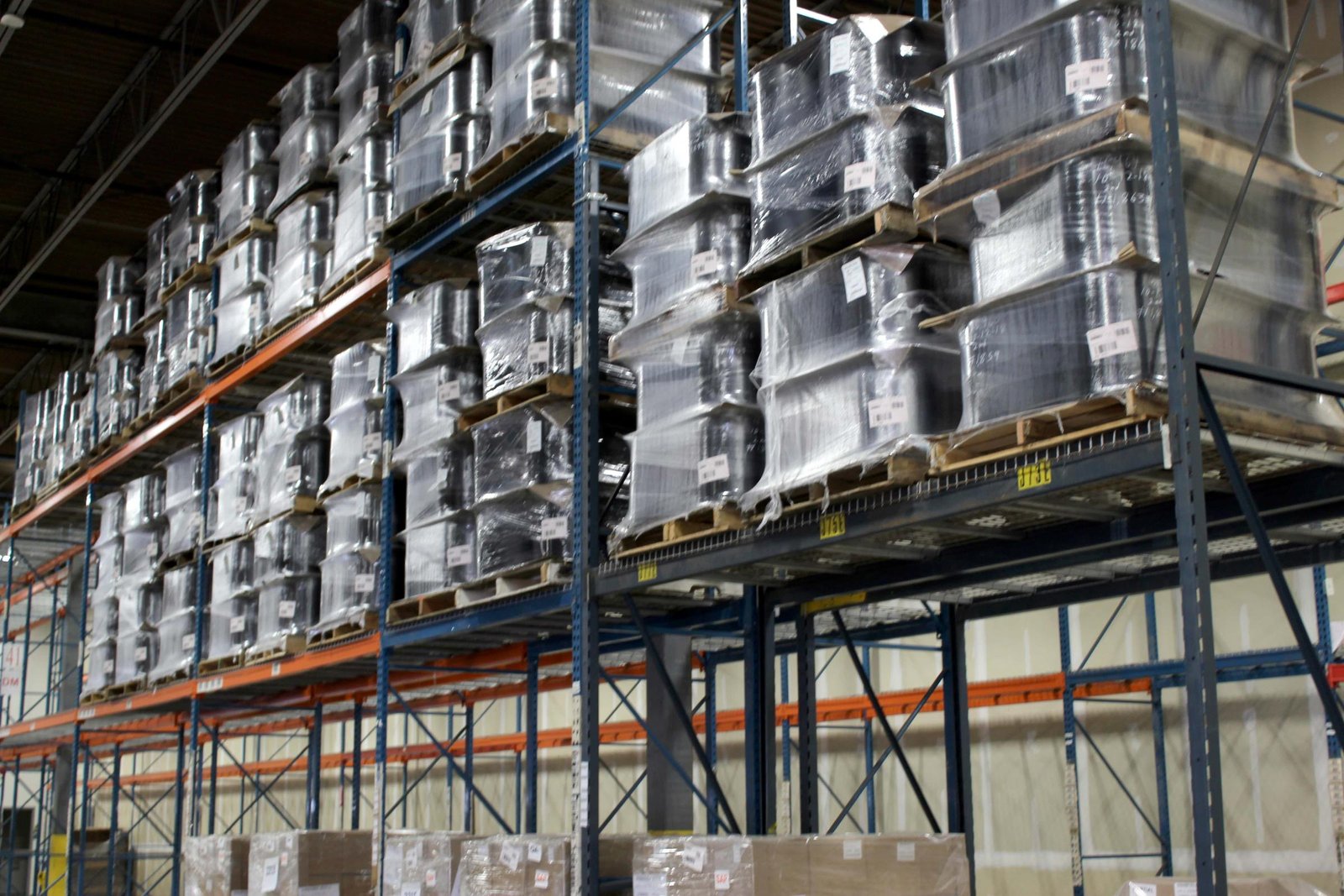
The cube profile is unusual. Small parts want bins and mezzanine pick levels, while tires, batteries and exhaust systems want bulk floor space and rack designed for odd shapes. Core returns, oils and batteries add hazmat considerations that change sprinkler design and spill containment. We sort those product families into zones in the first sketch, because the fire protection and the structural loads differ in each.
A typical program pairs a general-purpose warehouse shell with a mezzanine pick area and a dense delivery-van yard, much like a last-mile parcel hub with a different inventory.
Where the Money Goes in a Parts Building
Three line items outweigh the rest. The first is the pick structure: a multi-level mezzanine with shelving, conveyor and stairs can cost as much per square foot as the shell it sits in. The second is fire protection, since a mixed commodity of plastics, rubber and flammable fluids moves the sprinkler design toward higher density and may require in-rack heads. The third is the delivery yard, where vans and box trucks leave in waves and the pavement has to handle that turning.
We price the mezzanine through our mezzanine and office buildout team so the owner sees structure, deck, egress and conveyor support as one number. Floor flatness is usually a modest cost, but it affects the speed of reach trucks, so we set the target with the operator.
Concrete, Slab Joints and Hazmat Containment
We schedule and inspect the crews that place the slab and form the containment. Battery charging rooms, oil storage and aerosol cages need curbs, sloped floors and drainage designed for the substances stored, with provisions for spill capture. We pour those features monolithically with the slab where possible, which beats cutting and patching afterward.
Forklift traffic around bin and rack aisles puts steady wear on joints. We choose joint types and spacing around expected aisle lines, saw early, and fill joints with semi-rigid material at the right age. A well-detailed slab keeps pickers moving and keeps maintenance out of the aisles.
Sheridan, Limon and the Mountain Corridor
Parts distribution in Colorado serves a metro that sprawls and a state that climbs. In Sheridan, the South Santa Fe Business Park sits between West Oxford Avenue, West Union Avenue, a major arterial and the South Platte River, and already hosts auto salvage, a recycling center, a lumber yard, auto repair and light manufacturing. Parts distribution fits that mix of trade customers, and the city planned Phase 1 and Phase 2 environmental assessments through EPA's Targeted Brownfield Assessment program to estimate remediation costs for its parcels.
East of Denver, Limon is served by Union Pacific and by the Kyle Railroad, which ends there and interchanges with Union Pacific. In the high country, Vail Pass carries I-70 at 10,662 feet with grades up to 7 percent and two runaway truck ramps for westbound trucks, so a mountain-bound parts van or box truck needs to be loaded for a different drive than one working Sheridan and the metro.
Brownfield and Infill Conditions
Parts distributors often want infill sites near the trade customers they serve, which means older industrial land. The Sheridan brownfield assessment is a useful reminder that a Phase I or Phase II environmental review is not optional on a former salvage or repair yard. We help the owner schedule that work before closing, estimate soil management costs, and plan vapor barriers or caps where needed.
Infill sites also bring tight lots, adjacent neighbors and limited truck access. We design the building footprint around turning movements, add a second driveway where the city will allow it, and use screening and lighting to reduce noise and glare toward residential edges.
Neighbors in the Same Supply Chain
Parts distribution does not live alone. Inbound freight comes from manufacturers that ship in pallet and container lots, while contractor trade counters overlap with building products distribution customers who buy trailer hitches, tools and fasteners along with pipe and lumber. Our design experience from those sectors helps shape dock layouts, yard storage and counter pickup lanes.
Fleet services are a growing segment: delivery vans loaded in the morning and returned at night, tires swapped on site, and a small repair bay on the same property. We include that in zoning discussions early since an accessory repair bay can require a different permit than a warehouse.
Batteries, Fluids and Tires in the Same Building
Storing lead-acid and lithium batteries, motor oil, brake fluid, aerosols and tires raises fire code questions at once. Quantities per control area, separation walls, spill containment, ventilation and storage heights are set by the adopted fire code and the insurer. We pull the commodity list from the operator, run it against the local fire marshal's expectations and design the fire protection once.
Charging areas for electric forklifts add their own ventilation and electrical needs. On the construction side, we protect inventory and workers from dust and moving equipment during any phased turnover. Every inspection, from the sprinkler hydrostatic test to the fire marshal walk, is scheduled with the operator so that stocking can begin the day the certificate arrives and not a week later.
Share the SKU Profile
Give us your SKU count, product families and delivery fleet, and we will return a zoned floor plan, a fire protection approach and a budget range.
Common Questions
Do we need in-rack sprinklers for a parts warehouse?
Often, because rubber, plastics and flammable liquids raise the hazard class. The need depends on the commodity, storage height and aisle width, so we confirm the design basis with your insurer and the fire marshal before racking is final.
How much mezzanine is typical for a parts distribution center?
It varies widely. A hub with a large small-parts catalog may put a third or more of its floor area on a mezzanine, while a tire and bulk operation may need none. We size it from SKU velocity and pick counts, not a standard ratio.
What if my site is a former auto-related property?
We recommend environmental due diligence before closing: a Phase I review, then a Phase II if recognized conditions turn up. We then plan soil handling and any vapor mitigation in the budget. Soil management and a clear site plan keep the schedule honest.
How do you handle delivery vans in the yard?
We separate van circulation from tractor-trailer traffic, size loading doors or open canopy bays for the vans, and light the area for early-morning dispatch. We also check turning radii against the largest vehicle in the fleet, and our truck court and trailer yard work covers the paving, striping and drainage that go with it.
Are electric vehicle parts changing what you build?
Yes, in two ways. High-voltage battery packs need isolated storage, charging-safe electrical service and fire protection reviewed for the chemistry involved. Service networks also want more floor area for core returns and remanufacturing. We leave electrical capacity and floor area for those uses when the owner expects the mix to shift.