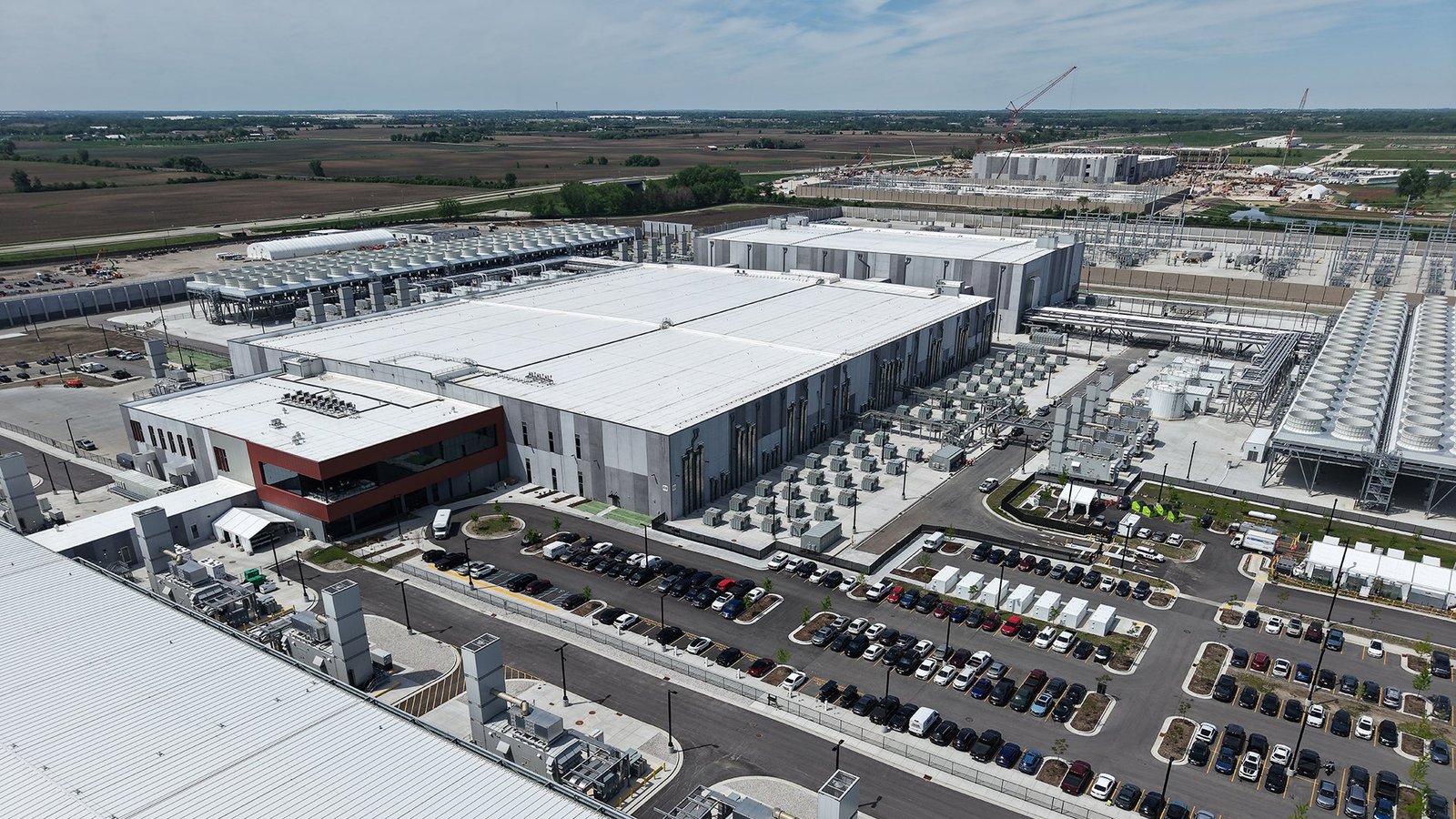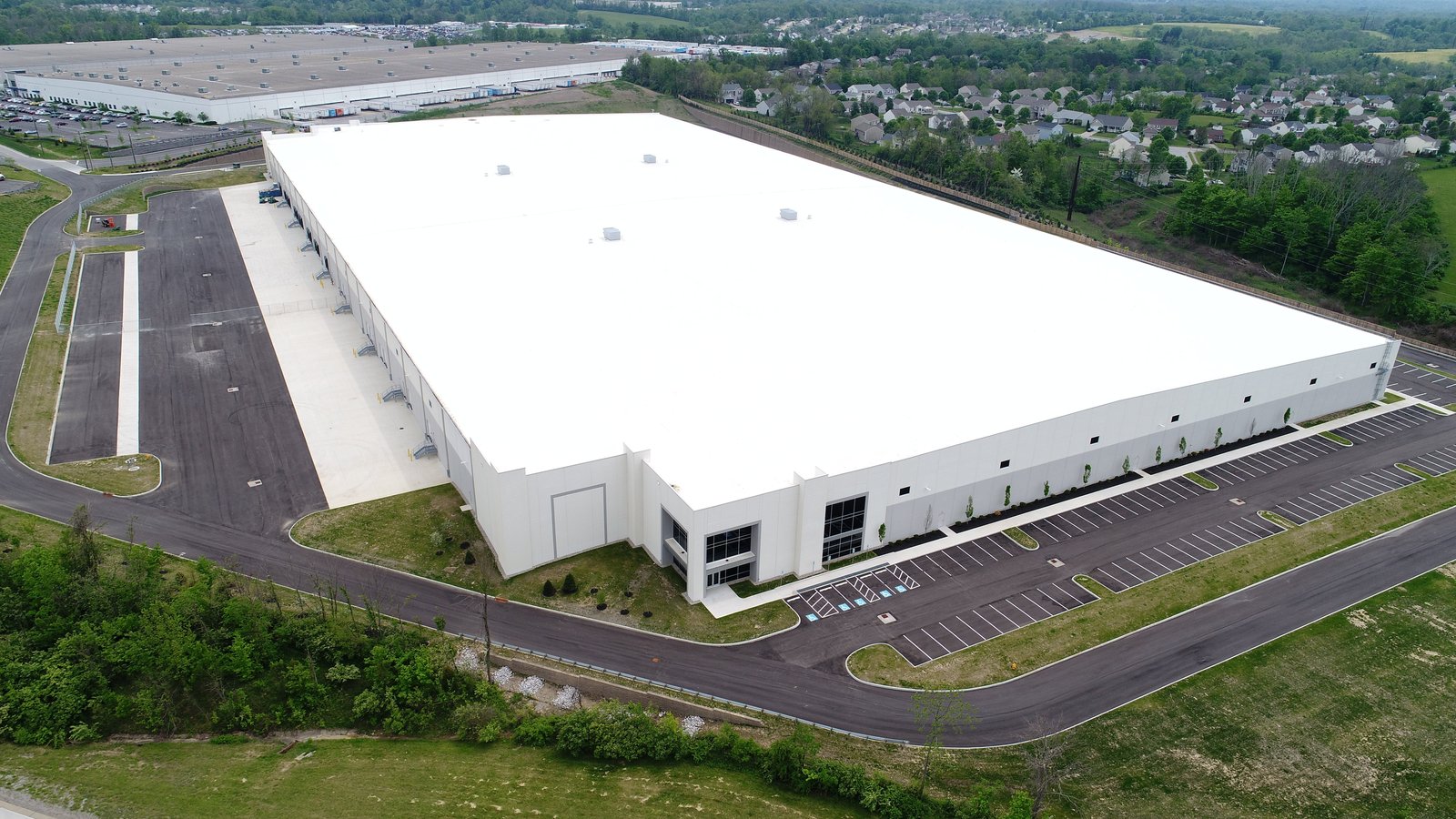
Megawatts come before square feet. A data hall can be a simple tilt-wall or metal shell, but nobody builds one until power, fiber and cooling are on paper. In Colorado that means asking where the generation and substations are, because the grid is changing underneath the market. We build data center shells and support buildings the way a logistics builder thinks about a warehouse: confirm the utilities, fix the grid of the structure, and phase the delivery against the tenant's load ramp.
The shell of a data center looks a lot like a distribution building. It wants a clean, flat slab, tall clear height for ducts and cable trays, heavy roof loads for chillers and generators, and a secure yard. Where it differs is the density of MEP, the redundancy, and the commissioning. We bring discipline from industrial concrete floors and site work, and coordinate with the specialist trades and the owner's engineer who design the white space.
Power is the first site condition
Colorado's generation mix is shifting, which makes power the first question for any data center site. The Fort St. Vrain station near Platteville operated as the state's only nuclear plant from 1979 to 1989, was converted to natural gas in 1996, and is operated by Xcel Energy as a combined-cycle plant of roughly 965 MW. Weld County, where Platteville sits, is also an important oil and natural gas production area in the Denver-Julesburg Basin.
On the other side of the state, Craig Station is a three unit coal plant with 1,285 megawatts of total capacity, and Tri-State's 2025 annual report says it intends to retire Unit 3 by January 1, 2028 and Unit 2 by September 30, 2028. Retiring plants leave transmission and a skilled workforce behind, and developers are watching them. We help owners compare sites on interconnection timing, not just land price, and we build the civil and electrical yard for the load you actually have.
Front Range land, interchange access and fiber
Data centers want land with room to grow, secure perimeters and fiber routes. The roughly 4,000-acre Aurora Highlands development southeast of Denver gained a full E-470 interchange at Exit 22 for $87 million that opened June 28, 2024, and parcels like that give an owner space for phase two without leaving the campus. Sites along E-470 and I-25 also have shorter trucking distances for generators, chillers and switchgear deliveries.
We also look at climate. Denver ranks 10th among U.S. areas of at least 50,000 people for hailstorm risk, so roof-mounted cooling equipment needs hail protection or screening. Elevation also changes cooling and generator derating, which the MEP engineer will account for. We make sure the structure is ready for the weight and the access that equipment needs.
Safety and security on a data center site
A data center site needs a clean security plan from day one. Badging, controlled access and visitor logs apply to every site crew as well as the owner's staff. Heavy lifts for chillers, generators and switchgear need crane plans, rigging reviews and laydown areas that do not block fire lanes.
Energized work is a larger hazard here than on a typical warehouse job. We schedule utility energization, test and commissioning windows carefully, and we coordinate lockout and tagout with the owner's operations team. Dust and cleanliness controls matter once the white space is closed in, so we plan the finish sequence to protect it.
What we build
Our usual scope is the site, the shell and the support buildings: civil, utilities in the yard, foundations, slab, structure, roof and envelope, equipment pads, and the generator and fuel yard. Many owners also want a loading dock and a staging room for deliveries, which look like the dock packages in our pre-engineered metal building work.
We can deliver in phases. A first phase can include the full site and utility backbone with a partial shell, leaving later halls to be added as tenants sign. For clients looking at lower-density edge space, a flex and light-industrial building can be fitted out as a small edge facility, with the structure and power service sized from the start.
Supporting services
The site utilities package is the heart of a data center project: power duct banks, water, fire water and storm. Roof-mounted equipment and large cable penetrations also tie to the high-bay and crane-ready building work we do, because heavy lifts and roof loads follow the same logic.
Owners and funds that hold multiple sites often work with us as developers and REITs, using one team and one template for permitting, site and structure across parcels. The Platteville area is one place where power infrastructure and open land meet, and the Pueblo area is another.
Schedule and phasing
The utility interconnection often controls the date, and utilities rarely move faster than their own process. We keep the schedule honest by tracking utility milestones next to construction ones, and we order switchgear, generators and chillers as soon as the design is frozen. Alamosa's 30 megawatt solar project, in commercial operation since May 10, 2012, and the 240 megawatt on-site solar field at the Pueblo rail mill show how generation is being added in different parts of the state.
We plan commissioning with the owner and specialty trades. Shell turnover, power energization, integrated systems testing and tenant fit-out each have their own gate, and we build the schedule so a delay in one does not push every date.
Start a data center site review
Bring us a parcel and a target load in megawatts. We will review the structure, the yard and the interconnection timeline and return a phased budget and schedule.
Common Questions
Do you design data centers or build them?
We build. The owner's engineer or a specialty designer lays out the white space, power and cooling. We price and construct the shell, site, structure and support buildings, and we coordinate with the specialty trades through commissioning.
What makes power the first question on a Colorado data center site?
Interconnection timelines can be longer than construction. A site needs a utility commitment for the load, a substation plan and a delivery date before a building makes sense. Colorado's mix of gas, solar and retiring coal plants means the answer varies by region.
Can a standard warehouse shell be converted to a data center?
Sometimes. The slab, clear height and roof loads need review, and the power and cooling systems are major additions. We evaluate the existing structure before recommending conversion or new construction.
How do hail and snow affect data center roofs?
Roof-mounted chillers and condensers increase load and create drift. Denver's hail exposure also means protection for equipment. We design to the local snow load and detail screens or guards for hail-prone sites.
Can the project be phased?
Yes. We often build the site utilities and a first hall, then add halls as load grows. Column lines, dock locations and roof structures are designed so expansion is cheaper.