At 7,543 feet, concrete in the San Luis Valley behaves differently from concrete on the plains, and a warehouse builder in Alamosa has to plan for it. Nights stay cold for much of the year, the ground freezes, and a slab poured without a cold-weather plan can scale, crack or fail to reach strength. We build distribution and storage buildings here with heated enclosures, insulated blankets, accelerated mixes where the engineer approves them and a schedule that treats winter as a design condition instead of an excuse.
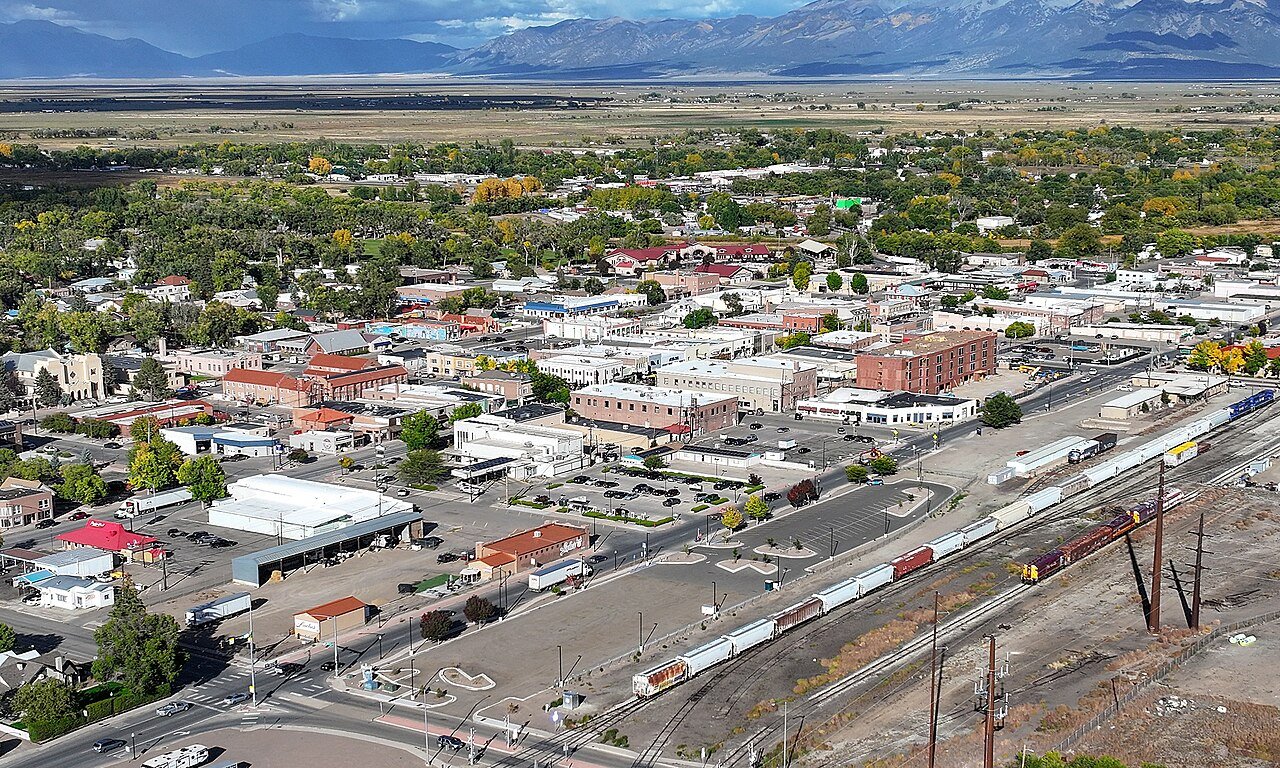
Alamosa sits where US 160 and US 285 meet, with US 160 running east-west and US 285 and State Highway 17 running north-south. A truck court here usually faces one of those routes, and the first thing we study on a lot is how a tractor-trailer will turn into it. The Colorado Pacific Rio Grande Railroad serves the town, a Bustang Outrider line connects it to Pueblo, and the community has 9,806 residents at the 2020 census and Adams State University in town. The valley is wide and the population is small, so we size buildings for regional supply rather than metro-scale throughput.
The valley also carries utility-scale energy. The 30 megawatt Alamosa Solar Generating Project near the town, operated by Cogentrix Energy, entered commercial operation on May 10, 2012, supplying customers of Public Service Company of Colorado. A project like that tells us the area has open ground, available transmission and contractors who are used to working on large sites.
Cold, altitude and a safe winter site
Altitude and cold create specific hazards: slick surfaces at dawn, frozen ground under stockpiles, and workers who tire faster in thin air. We stagger shifts, heat break areas, treat walking routes with deicer and ask for a daily weather briefing before any lift or pour. Cranes get derated for wind and ice, and we do not lift when conditions fall outside the limits we have set. Panels and steel are braced for the gusts that cross open valley floors, because the same flat ground that makes siting easy offers no wind break.
Heaters and enclosures bring their own risks, namely fire and carbon monoxide. We use indirect-fired heaters where we can, vent fuel-burning equipment outside the enclosure and train every crew member on the plan before the first pour.
Siting on a high valley floor
Valley floors are flat, which keeps earthwork modest, but they can also have high groundwater and frost-susceptible soils. We order a geotechnical report early and ask the engineer to address frost depth, groundwater and bearing capacity. The building department sets the frost depth for footings, and we confirm it with them before the foundation drawings are final.
Truck routes matter too. A tractor-trailer leaving a lot in Alamosa will use US 160 or US 285, and the intersections nearest the lot decide how wide the entrance should be and where a turning lane may be needed. A traffic review at the front of the project avoids a costly surprise later. Where a user also ships toward Pueblo by road, we check that the approach handles the longest vehicle on that lane.
Permits and approvals
Commercial building codes in Colorado are adopted city by city and county by county rather than as one statewide code. For an Alamosa project we confirm whether the lot falls inside the city or in Alamosa County, which code edition applies, and which department reviews fire protection and site access. We then state the design basis on the drawings.
State energy rules also shape the envelope. Colorado law requires a locality that updates its code on or after July 1, 2023 to adopt an energy code at least as stringent as the 2021 IECC, with a newer state benchmark from July 1, 2026. We design insulation and air sealing with the current rule in mind. A buyer from Salida or from the San Luis Valley's other towns comparing sites should ask each building department the same question, since adoption dates differ by jurisdiction.
The building we deliver
The scope is the whole building: grading, utilities, footings, slab, walls, roof, dock package, paving and interior. A high-valley building needs a well-insulated envelope, and we pay particular attention to the slab edge, the dock doors and the roof, since those are where heat escapes and where frost works on the structure.
The roof is the other key assembly in a cold climate. We detail insulation thickness, vapor control and snow retention with the engineer, and we avoid penetrations that become leaks. Floors follow the racking plan. A building with pallet racks needs a flat, well-cured slab, and our super flat floor slab practice sets the finishing method, the curing plan and the testing, with extra care in cold weather.
What winter and distance add to the number
Cold-weather construction adds cost: heated enclosures, fuel, blankets, accelerated mixes, extra labor hours and slower production. We price those as a line, so an owner can compare a winter start to a spring start. In many cases, shifting the foundation work by a few weeks saves more than it costs.
Distance adds cost as well. Alamosa is 72 miles east of Walsenburg via US 160 and a long haul from the Front Range, so steel, panels and equipment arrive on long trucks. We bundle deliveries and stage materials to reduce trips.
Right-size, then build it to last
We begin with the freight and the operation: what is stored, how it arrives and ships, how many people work in the building. Then we shape the structure to fit. A logistics and 3PL operator needs a flexible dock line, while a local supplier needs a counter, a yard and a covered loading area.
Because the market is small and the climate is demanding, we favor durable details: heavy-duty doors, reinforced dock aprons, well-drained yards and simple mechanical systems that local technicians can service. The building should work in January as well as in July. A tenant evaluating an industrial warehouse here should ask to see the heating plan and the winter operating cost, and we provide both in the proposal so the numbers are visible before you commit.
Plan the winter into the schedule
Send the freight, the lot and the date you need the building. We will lay out a cold-weather schedule and a budget range.
Common Questions
Can you pour concrete in Alamosa in winter?
Yes, with a cold-weather plan. At about 7,543 feet we use heated enclosures, insulated blankets and mixes approved by the engineer, and we monitor slab temperatures until the concrete reaches strength. Winter pours cost more, and we price that separately.
Which routes serve Alamosa?
US 160 runs east-west, US 285 and State Highway 17 run north-south, and the Colorado Pacific Rio Grande Railroad serves the town. We design the truck court to face the route that gives the best approach.
Is the valley a good place for a regional distribution building?
The community had 9,806 residents at the 2020 census, so the market is modest. A building that serves the wider valley and its supply chains can work, but we size it carefully and test it against your volumes.
What did the Alamosa Solar Generating Project tell you about the area?
The 30 megawatt project, operating since May 10, 2012 and supplying Public Service Company of Colorado customers, shows the valley has open ground and utility infrastructure. It is not a statement about warehouse demand, so we advise from your own freight data.
How do you control heat loss in a warehouse?
We insulate the slab edge, specify tight dock seals and insulated doors, and design the roof assembly for the cold. We also coordinate with the mechanical engineer on heaters sized to the building.