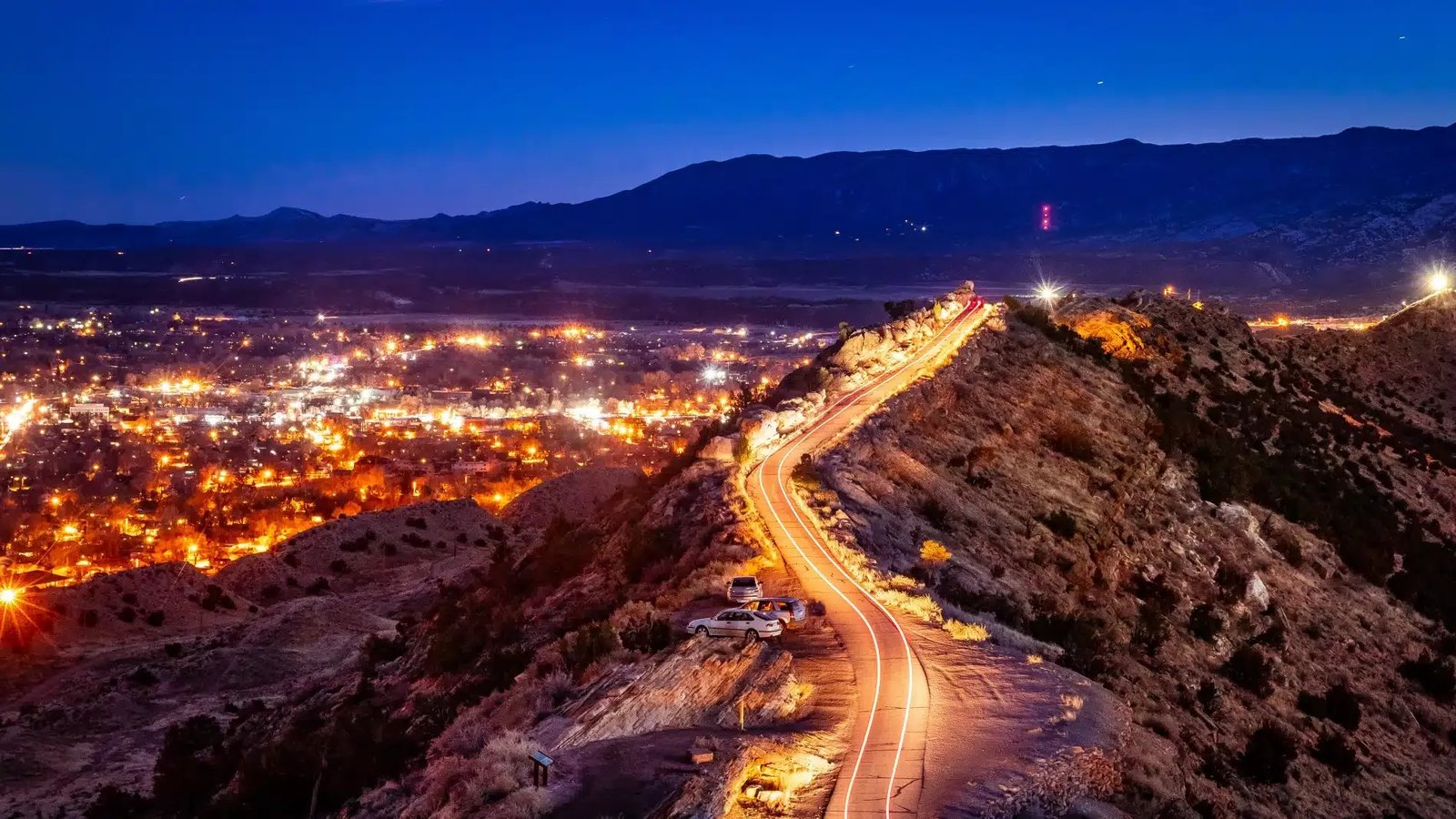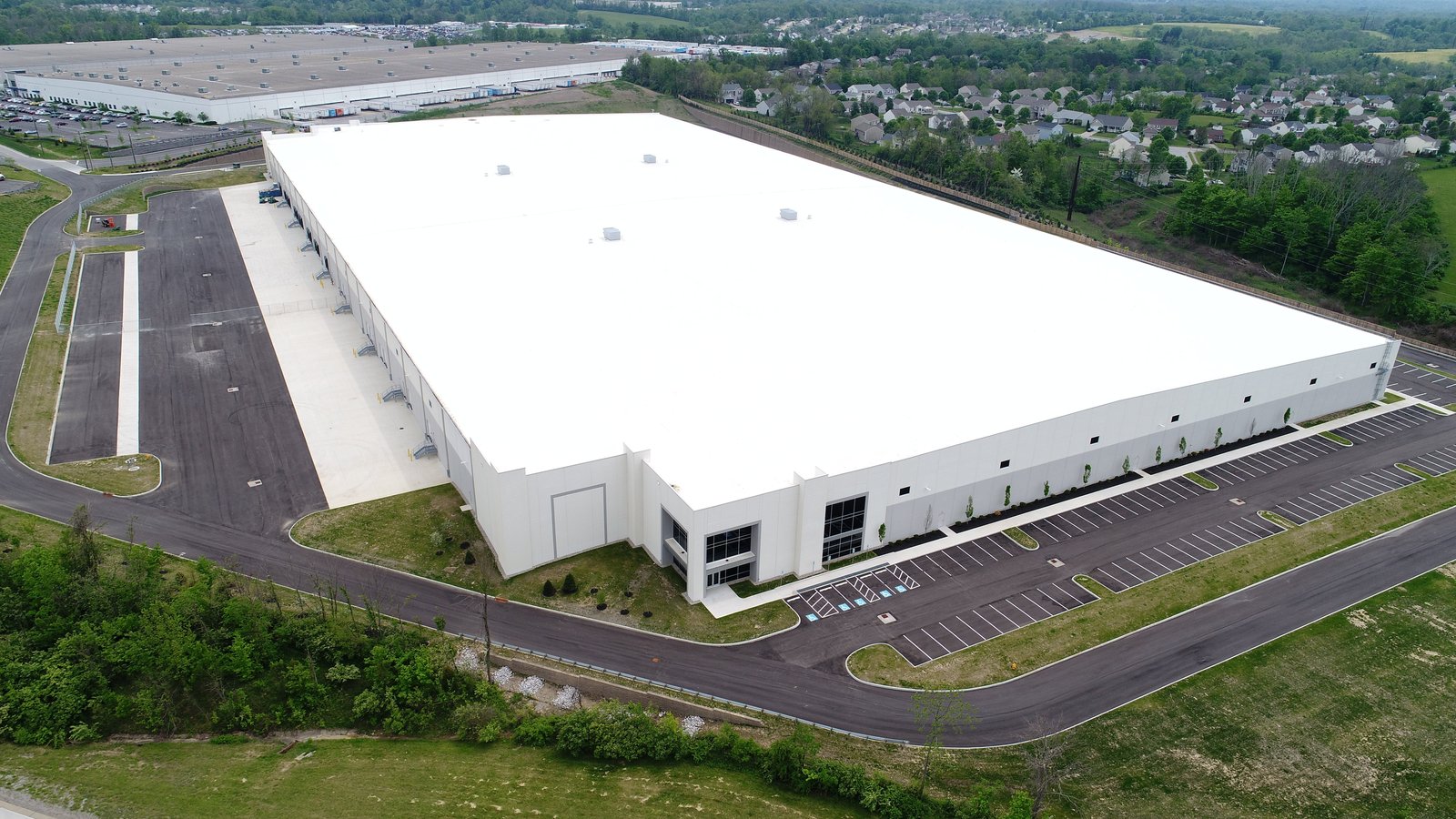
A warehouse in Fremont County has to fit between a river canyon, a highway that doubles as Main Street and an economy built around institutions. That shapes what we build in Canon City: compact distribution and storage buildings, usually 15,000 to 80,000 square feet, set where a truck can reach the dock without driving through downtown, and sized for the regional distributor, the contractor's supply yard or the operator who serves the facilities that employ most of the county.
US 50 runs through town as Royal Gorge Boulevard, and State Highway 115 connects the city to Florence and Penrose and on toward Colorado Springs. Those two routes decide where freight enters and leaves, and they are the first thing we study on any lot. Truck turning paths, the width of the approach road, and whether a left turn onto a four-lane arterial is workable are site facts we confirm before drawing a dock.
The city lies at 5,351 feet, just east of where the Arkansas River exits the Royal Gorge. Canyon country means variable ground: alluvial soil near the river, rock and steep fill on the benches. We order a geotechnical report on every lot and let it set the foundation type, the retaining plan and the budget for earthwork before we promise a price. If a lot looks cheap, the ground is often the reason, and we would rather tell you that in week one than in month three.
Fitting a building to canyon-country ground
Sites near a river gorge tend to be narrow, sloped or both. A conventional 400-foot-deep distribution building may not fit, so we design shorter, wider footprints with the truck court on the long side, or we terrace the pad so the dock face sits at truck height without a ramp. Each choice has a cost, and we show you the numbers for the alternatives side by side.
Drainage matters more here than on the plains. Water coming off a slope can undercut a pad or wash across a truck court, so we design swales, culverts and detention with the civil engineer before the grading plan is final. A building that sits dry through the first spring runoff is a building that holds its value. For an owner, the practical test is simple: after a heavy rain, can a truck still reach the dock, and does water stay out of the slab edge? We design to answer yes to both, and we show the grading sections so you can check.
Safety on narrow sites and steep approaches
Narrow lots limit laydown, crane position and the place where trucks can stand. We plan panel casting, stacking and lift routes on paper first, set exclusion zones under suspended loads and hold a pre-lift meeting for every erection day. Steel buildings get the same treatment, with bracing and temporary guying in place before the crane releases a member.
Approach roads are part of the safety plan. If the only access climbs a grade, we stage deliveries in smaller loads, use a spotter at the turn and keep the construction entrance clear of the public highway. We also coordinate with neighbors, since many Canon City lots sit close to homes and small businesses. Noise, dust and early-morning deliveries are the complaints we see most often, so we set working hours and a dust-control routine in writing before mobilizing.
What we build and how we sequence it
Our scope is the full building: grading, utilities, foundation, slab, walls, roof, dock package, paving and interior. We choose tilt-up concrete where durability and fire resistance matter most, and an engineered steel frame where a long clear span and speed matter. A warehouse expansion on an existing site follows a separate path, with tie-ins, phasing and operating-day protection built into the plan.
Dock equipment is sized to the freight, not to a catalog default. A local distributor with box trucks needs different levelers and bumpers from a carrier running 53-foot trailers, and our dock equipment and leveler scope reflects that. We also add a small office, restroom and charging room when the program calls for them.
A county economy tied to institutions and healthcare
Canon City's economy is tied to the state and federal prison system, with the Colorado Territorial Correctional Facility inside the city, other state prisons and the federal ADX Florence in Fremont County. CommonSpirit's St. Thomas More Hospital is listed among the major employers. Institutions buy food, linens, maintenance supplies and medical goods, which creates steady demand for storage and receiving space that serves them.
We keep that demand realistic. A county of this size supports small and mid-size distribution, not million-square-foot buildings, and we say so when a program is too large for the market. Developers looking at manufacturing and distribution users should weigh local labor and truck routes together before committing to a lot. The labor pool here includes people with institutional, healthcare and construction backgrounds, and shift timing matters: a warehouse that starts at five in the morning needs parking and lighting that suit the hour.
Rail, tourism traffic and what the river corridor adds
Rock and Rail LLC runs freight service between Pueblo and Canon City and Parkdale on former Union Pacific track, which also carries the Royal Gorge Route tourist train. A shared line means scheduling matters, and any project adjoining the track needs written coordination with the operator. We build that conversation into the first design meeting.
Tourism traffic around the Royal Gorge Bridge and Park adds seasonal congestion on US 50. Delivery windows for construction and for the building's own trucks should avoid the busiest hours, and we write that into the site logistics plan. If your operation also needs county-level services, our government and municipal buildings work follows a similar approvals path, and we can coordinate when your project sits next to a public facility. Operators that supply stores across the corridor between here and Salida, and buyers weighing a larger site in Pueblo, often ask us to price the same program in both places. We do, and the comparison usually turns on truck routes more than on the building.
Bring us the lot and the freight
Send the lot, the truck types and the goods you store. We will confirm the access, ground conditions and permit path, then return a budget range.
Common Questions
How big a warehouse makes sense in Canon City?
The county supports compact regional distribution, supply yards and storage for institutions and healthcare, generally in the tens of thousands of square feet. We advise against over-building. If you need larger space, we compare it with a Pueblo site before you commit.
Can we use the Rock and Rail line?
Rock and Rail LLC runs freight between Pueblo, Canon City and Parkdale on former Union Pacific track. Whether a specific lot can take a spur depends on track location and the operator. We confirm that before we design around it.
What does the Arkansas River location mean for construction?
It means variable soils and potential drainage and floodplain questions near the river. We order a geotechnical report and confirm flood status before design, and we set finished floor elevation on those results.
Which highway should the truck court face?
It depends on the lot. US 50 and State Highway 115 are the main routes, and we pick the face that gives a safe truck approach with the least conflict with local traffic.
Do you build for institutional suppliers?
We build the warehouse, not the institutional contract. Suppliers who serve prisons, hospitals and schools tell us their delivery windows, security needs and receiving practices, and we design the dock, yard and fencing around them.