Public owners buy differently from private ones, and the procurement path sets the schedule before the design does. A city, county, special district or state agency usually has to publish a bid or request, score qualifications, award, take the contract through a board and then issue notice to proceed, and each step has a posted timeline. We build municipal facilities in Colorado with that calendar in mind: public works yards, fleet shops, fire and police stations, recreation centers, libraries, airport buildings and civic offices.
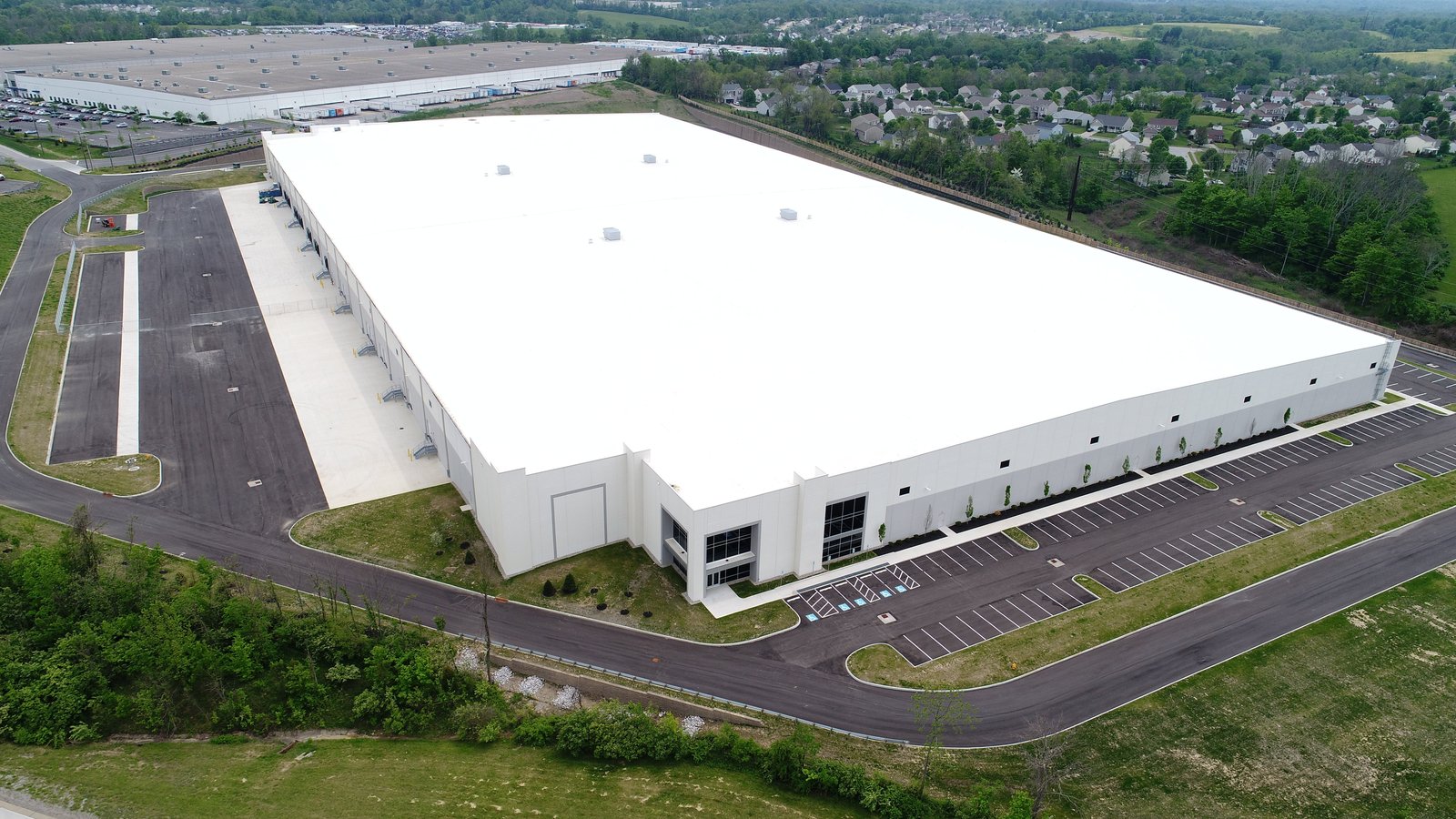
Several of these facilities look like the buildings we know best. A public works yard is a truck court with a shop attached. A fleet maintenance facility is a high-bay building with heavy slabs, lifts and wash bays. A city warehouse, evidence storage or records center is a warehouse with security rules. The skill we apply is the same: plan the site, set the structure, control the slab and sequence the trades.
We also respect the part that differs. Public projects carry open-book documentation, prevailing wage rules where they apply, public meetings and neighbors who can speak at a hearing. We plan communications as carefully as concrete.
Procurement-ready preconstruction
Before the bid, we help owners define a program, test the budget and decide on a delivery method. Design-bid-build suits a fully designed, simple building. Construction manager at risk suits a complex site or a phased campus. Design-build suits an owner who wants one point of responsibility and a firm schedule. We explain the trade-offs in plain terms and let the board and staff choose.
Once a method is chosen, we set up reporting that fits public accountability: monthly cost reports, a clear change-order log, subcontractor bid results and a record of local participation where required. The owner never has to ask where a dollar went. Our office building practice supports civic office programs the same way.
Facilities we build for public owners
The core list includes public works and fleet facilities, fire stations, police and public safety buildings, recreation and community centers, libraries, courthouses, airport hangars and terminals, and water and wastewater support buildings. Each has its own structural and system demands. Fire stations need apparatus bays with heavy doors and exhaust capture. Public safety buildings need hardened construction and secure circulation. Recreation centers need long-span roofs and wet-area systems.
For the yard side of a municipal facility, we draw on our truck court and trailer yard work for turning radii, concrete pads for heavy equipment and drainage, and on industrial concrete floors for shop slabs that withstand lifts and vehicles. Salt and sand storage, vehicle wash bays and fueling islands have environmental rules that we check early with the permitting agency.
Public work across the state
The scale of government work in Colorado is broad. The Denver Federal Center in Lakewood covers 623 acres with 44 buildings, nearly 8,000 employees (7,777 in the EPA profile) and 28 federal agencies, and cleanup of the former ordnance plant site is overseen by the Colorado Department of Public Health and Environment. That is a reminder that public campuses carry history that has to be checked before ground is broken.
Elsewhere the work is smaller and more local. A 1998 report said Sterling's new correctional facility, the state's largest, would employ about 850 staff and house about 2,500 inmates. The Durango-La Plata County Airport terminal program ran Phase 1A construction from April 2023 to July 2024, and Phase 1B construction began in October 2024 on a 27 month schedule. Longmont says Vance Brand Airport has more than 40 acres of land on the southwest side of the airport available for development or expansion. Projects like these, in Sterling, Durango and Longmont, mean a government builder must work in small towns as comfortably as on the Front Range.
Where public budgets get tested
Public budgets are fixed by a vote, a bond or an appropriation, so there is little room to add money later. We therefore price carefully at each design milestone and keep a contingency log the owner can see. The biggest swing factors are site conditions, utility capacity, security requirements and the building systems.
Operating cost counts as much as first cost. A public building lasts for decades, so we compare options on life-cycle terms: envelope performance, mechanical efficiency, roof type and maintenance access. State energy law applies as well. Colorado HB22-1362 requires any county or municipality that updates a building code on or after July 1, 2023 to adopt an energy code with equivalent or better performance than the 2021 IECC and the state model electric and solar ready code; from July 1, 2026 the benchmark becomes the state model low energy and carbon code. We build that into the estimate from the start.
Bond calendars, board dates and bid windows
A public schedule has two clocks: the construction clock and the governance clock. The governance clock includes board meetings, public notices, protest periods and funding deadlines, and missing one can cost a month. We create a combined schedule showing both, and we line up submittals and approvals ahead of board dates.
On the construction side, we sequence work to meet the owner's operational needs. A fire station cannot close for months, so we phase around it. A recreation center needs an opening date that matches a season. A courthouse addition keeps the old court running. For structures with parking needs, see our parking structure page, and for civic campuses that share space with schools, the same phasing rules apply.
Security, records and public safety on the site
Public projects involve the public. We fence and sign the site, protect pedestrian routes, schedule truck movements outside peak hours and keep neighbors informed through notices and a single contact. Where a building is a secure facility, we run background-checked crews, control tools and materials, and keep drawings under controlled distribution.
Records matter as much as safety. We keep daily logs, inspection reports, certified payroll when required and photographic progress records, so the owner can answer an audit or public records request quickly. For tenants whose operations touch supply, such as a city fleet depot, see logistics and 3PL for how we plan truck flow.
Planning a municipal project?
Send us the program, the funding source and the board calendar. We will return a delivery-method comparison, a combined governance and construction schedule, and a budget range.
Common Questions
Which delivery method is best for a public building?
It depends on complexity, budget certainty and how much design control the owner wants. Design-bid-build is simple and transparent for a fully designed building. Construction manager at risk adds early pricing and phasing advice. Design-build offers a single point of responsibility. We outline the trade-offs and help the owner decide.
Can you work on a site with contamination history?
Yes, with care. Public campuses sometimes carry legacy conditions, as the cleanup oversight at the Denver Federal Center shows. We review environmental reports at preconstruction, budget for soil handling where needed and coordinate with the state health department when its approval is required.
How do you handle small-town public projects far from the Front Range?
We plan for distance. We staff the job with a clear superintendent, line up local subcontractors where possible, order materials early and schedule deliveries to avoid idle crews. Towns like Sterling and Durango have their own utilities, inspectors and board calendars, and we learn them early.
What energy code will a new public building meet?
State law sets a floor. Any county or municipality updating its building code on or after July 1, 2023 must adopt an energy code at least as stringent as the 2021 IECC, and from July 1, 2026 the benchmark becomes the state model low energy and carbon code. Local amendments can go further, so we confirm the edition with the building department.
How do you keep the owner informed on cost?
We send monthly cost reports, keep a change-order log, hold regular owner meetings and share subcontractor bid results. A contingency log shows what was used and why.