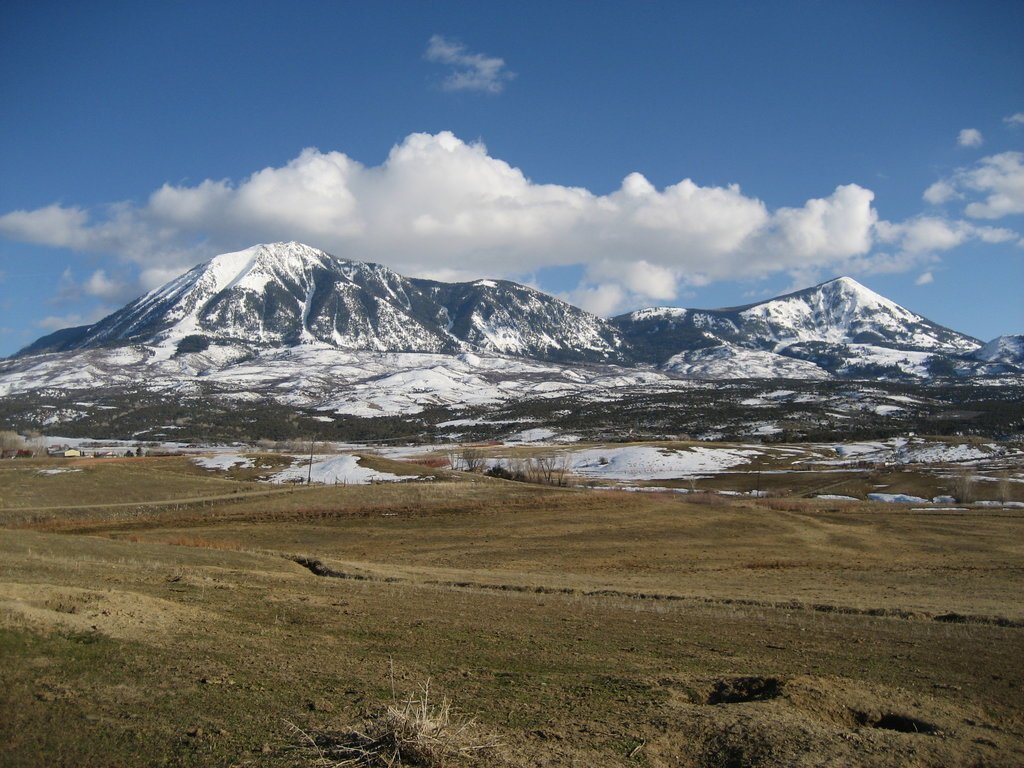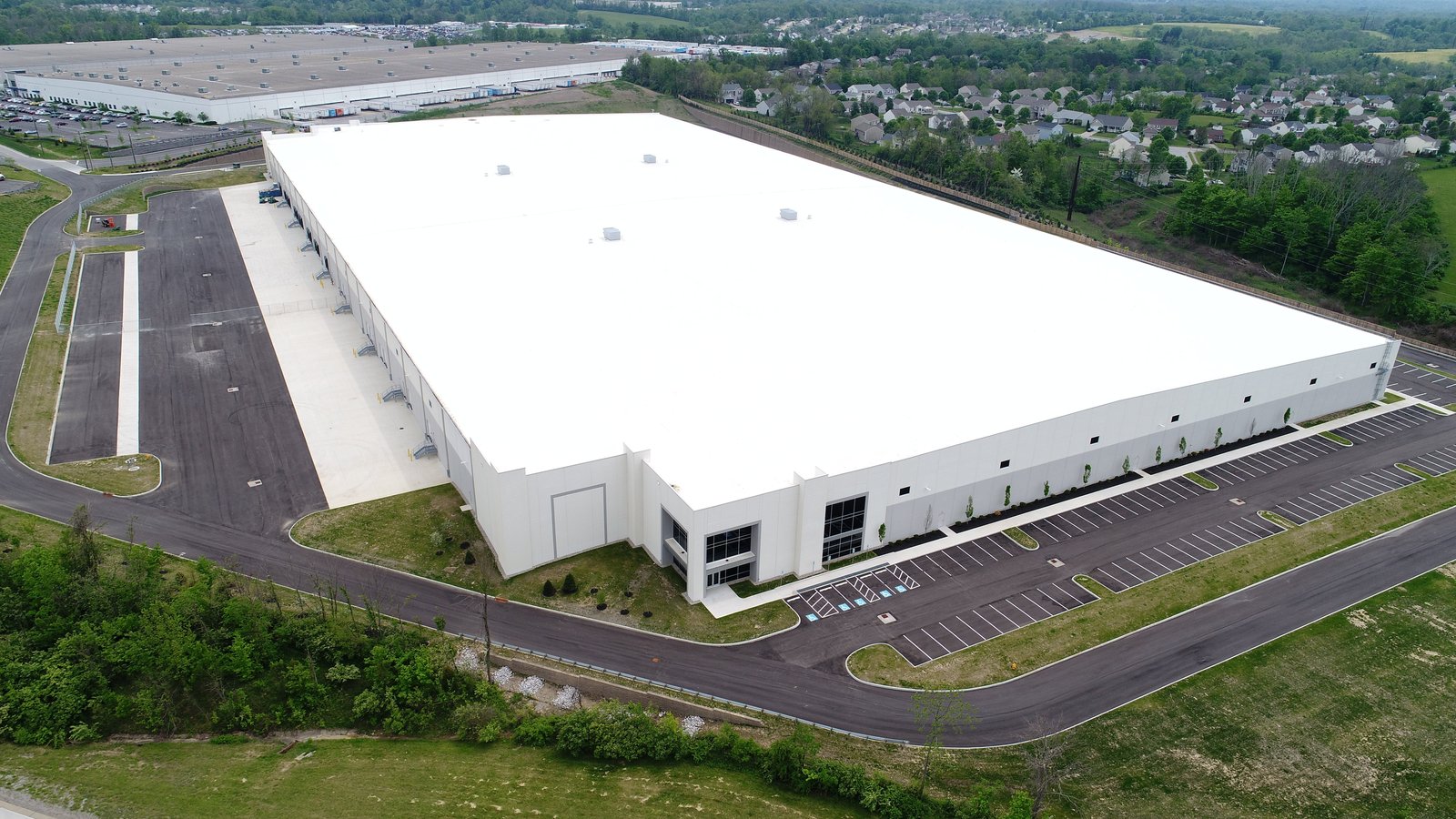
Two rivers and three highways frame every industrial site in Delta, and each one changes how we lay out a truck court. U.S. 50 runs through town as Main Street, State Highway 92 begins at Main and First Streets, and State Highway 65 runs north from Highway 92 over the Grand Mesa to Interstate 70 near Palisade. For a distribution user, that means a short list of truck routes and a long conversation about turning radii, queueing space and where the trailers wait.
We build warehouse and light distribution space for operators who want to serve western Colorado from a lower-cost location than the I-70 resort corridor. At about 4,961 feet, Delta sits well below the mountain towns upstream, which usually means lighter snow design and a shorter frost season than Aspen or Frisco. We still confirm every load and depth with the building department before drawings are final, because published town elevations and the reviewing jurisdiction's design table do not always agree.
Whether the job is a small flex building or a 50,000 square foot regional shell, the sequence is the same: site and flood check, geotechnical, permit, then steel or tilt, with the site utilities package scoped alongside the building. We keep the first budget honest by listing what is not yet known.
A crossroads between Montrose and Grand Junction
Delta's position does most of the selling. Montrose Regional Airport, about 21 miles south, is the closest airport with scheduled airline service, and Grand Junction, about 39 miles north, has the nearest Amtrak stop on the California Zephyr line. Colorado's Bustang Durango to Grand Junction Outrider bus line also serves the town. These are passenger links, not freight lanes, and we are careful not to oversell them, but they show a town already tied into both regional hubs.
For a regional wholesaler, that positioning creates a practical delivery radius. A truck leaving a Delta dock can reach Montrose and Grand Junction in under an hour, and the highway junctions in town give a second route to the Grand Mesa and I-70. A 3PL weighing a Montrose site against a Delta site should compare land cost, labor draw and highway access side by side, and we help assemble that comparison with real building costs.
River bottoms, floodplain and drainage
Downtown sits south of the Gunnison River and east of the Uncompahgre River, and city limits extend north across the Gunnison and about 6 miles west along U.S. 50 to Westwinds Airport. That geography means many industrial parcels are close to river bottoms, canals or irrigation ditches. We pull floodplain mapping and drainage easements at the start of every site review, and we plan finished floor elevations with margin above the mapped flood level.
Soils near river bottoms can be soft, saturated or full of cobble, and each condition calls for a different foundation. We look for the high ground before we look for the cheap ground, because a pad that needs structural fill, dewatering and a retention basin can cost more than land that looked expensive. Truck courts here are graded to shed water to a collection point, never toward the dock pits.
Metal frame or tilt-wall, chosen by the use
In a market this size, the right structure depends on the tenant. A parts and supply operation under 40,000 square feet often fits a pre-engineered metal building, which goes up fast, accepts a wide range of insulation packages and keeps cost per square foot low. A user who needs heavy racking, higher clear height or a refrigerated room is usually better served by tilt-wall panels and a conventional steel roof.
We set the structure by asking five questions: product weight, rack height, temperature, truck count and expansion plan. We then show the owner both options in a one-page cost comparison, with the lead time on steel, the crane days for tilt panels and the finish level of each. The fastest building is not always the cheapest one over a ten year hold.
Who we build for in Delta
The likeliest users are regional distributors, building-products yards, equipment dealers, farm and ranch supply, and parcel or last-mile operators serving the Western Slope. A last-mile parcel hub wants a flat, well-lit court with plenty of van parking, a sorting floor with clear spans and a quick path to the highway. A supply yard wants covered storage, an overhead crane or forklift lane and an office with counter service.
Developers see Delta as a build-to-suit town more than a spec town. Without a deep pool of speculative tenants, the lowest-risk project is one with a named user and a lease, so we put effort into early-stage pricing that a lender can underwrite. When a developer or REIT wants a spec building anyway, we recommend a modest first phase on a pad that can grow.
What moves the price in a smaller market
Cost in a smaller market is driven by mobilization as much as materials. Concrete batch plants, steel erectors and electrical subcontractors may be coming from Montrose or Grand Junction, and haul distance shows up in pricing, so we ask for quotes early and keep the bid list wide. Utilities are the other swing item: a three-phase service extension, a fire line or a sewer tap can outweigh the cost of the slab.
We build the budget in layers: land and site work, shell, tenant systems and soft costs. Then we mark each line as firm, estimated or unknown. A site visit with the utility providers and the building department, before design is complete, usually removes more risk from the number than any amount of desk estimating.
Share the site and the use
Send the parcel, the product mix and the truck count. We will return a flood and utilities check and a two-option budget for your Delta building.
Common Questions
Why build a distribution building in Delta instead of Montrose or Grand Junction?
Land cost and labor availability are the usual reasons. Delta sits between those two hubs on U.S. 50, so a truck can serve either one from a Delta dock. The tradeoff is utilities and a smaller supplier base, which we price into the early budget so the comparison is fair.
Is flood risk a real constraint on industrial parcels?
On parcels near the Gunnison and Uncompahgre rivers, yes. We check mapped floodplains, ditch easements and drainage before we recommend a site, and we set finished floor elevations above the mapped level. Sometimes the best answer is a parcel a few hundred feet farther from the river.
What snow and frost loads should we expect?
Delta is at roughly 4,961 feet, lower than the mountain communities, but the design loads still come from the reviewing building department, not from elevation alone. We request the load table and frost depth in writing during pre-design, then size the roof and footings accordingly. Plan on confirming this before you finalize a budget.
Can you phase a warehouse for a tenant who might grow?
Yes. We lay out the pad, utilities and truck court so a second bay can attach to the first with minimal rework. Phasing keeps capital low in year one and avoids buying space that sits empty.
How far in advance should we order steel?
As soon as the structural design is stable. Pre-engineered and joist packages can carry multi-week lead times, and tilt-wall jobs depend on crane and panel casting schedules. We list the long-lead items in the first schedule and tell you which ones control the occupancy date.