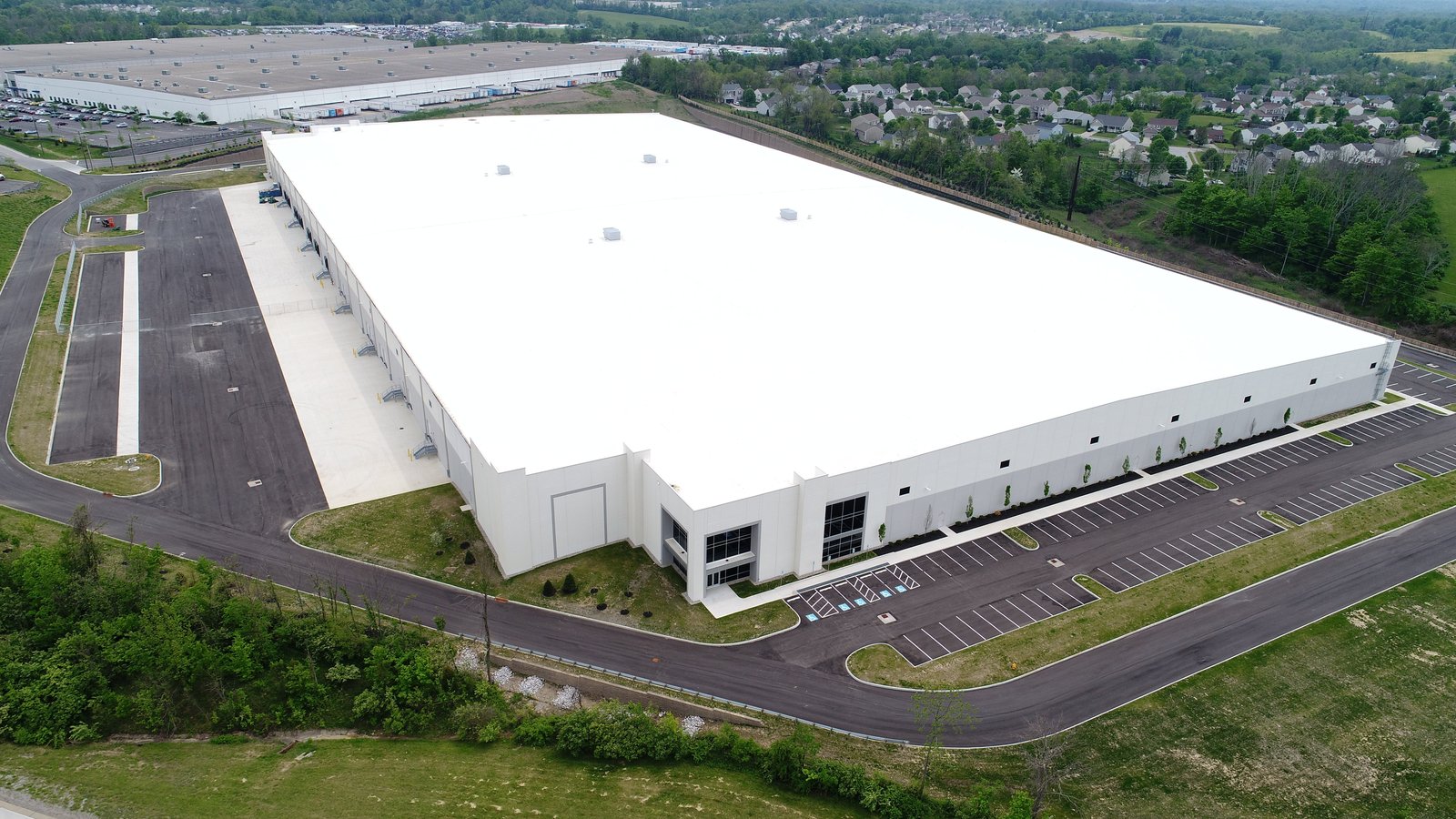

Farm-to-market freight in Prowers County moves on two-lane and four-lane US highways, not on an interstate, and that decides how we build in Lamar. US 50 runs east-west through the city as the main route to Pueblo and Las Animas, while US 287 and US 385 run together south through town. A warehouse here is a building for grain, feed, produce, equipment parts and supplies, and it needs a dock and a yard that match the trucks that actually come: flatbeds, grain haulers, straight trucks and the occasional 53-foot trailer.
Lamar sits at 3,619 feet and is the Prowers County seat, with 7,687 residents at the 2020 census. The economy began agriculture-based, and Lamar Community College is in the city. A Neoplan bus plant opened here in 1981, employed 650 people and closed in 2006, which is a reminder that the city has housed real manufacturing and that large industrial buildings can come on the market.
That history shapes our work. Some Lamar owners want a new building. Many want to expand, convert or modernize an existing one, and we are as comfortable with a roof, a floor and a new dock line on an old structure as we are with a clean greenfield shell. The big question on any reuse job is what is under the surface: a floor that looks sound may have cracked joints and soft spots, and a roof that looks tight may have wet insulation. We open it up and test it before we sign a price.
New build or reuse: where the money goes
The first budget question is whether to build new or adapt an existing building. An older industrial building may have a usable slab, a clear span and utilities in place. It may also have a roof near the end of its life, a floor too thin for modern lift trucks, and no fire protection. We inspect, core and test before we recommend either path.
For new work, cost sits in the slab, the dock package and the site. Lamar's flat ground keeps earthwork modest, and a lower elevation means a longer building season than the mountain towns. We price in layers so an owner can see each driver and decide which to keep. A warehouse expansion that adds bays to an existing plant follows a different path again, with tie-ins to the old slab and roof and a plan to keep operations running while we work.
Designing for ag trucks and seasonal peaks
Harvest creates peaks. A building that handles ten trucks a day in spring may see sixty in fall, and the yard must hold the queue. We size truck courts and staging for the peak and design the dock for the product: grain and bulk goods want covered loading and clean floors, while packaged goods want standard dock-high doors. Farm-equipment parts want tall shelves and a counter, not a rack-supported high bay, so we match the structure to the stock rather than building height nobody will use.
Product protection matters too. Pests, moisture and dust are the enemies of stored goods, so we detail slab edges, door seals and roof drainage to keep them out. For food-related storage, our food-grade warehouse scope adds sanitary finishes and washdown details. Operators in that segment often ask about a food and beverage processing layout as well, and we explain which finishes carry over and which do not.
A small city on the southeast plains with real connections
Amtrak's Southwest Chief stops at the Lamar Amtrak Station, and Lamar is the last eastbound stop of the Lamar to Pueblo to Colorado Springs Outrider bus line. For an employer, those facts mean workers can reach the city without a car, which widens the labor pool. For a developer, they mean the community has transportation links beyond the highway.
The nearest larger markets are Pueblo to the west on US 50 and La Junta between them. Many operators serving the lower Arkansas Valley use Pueblo as their primary hub and Lamar as a satellite, and we plan buildings with that relationship in mind. Further west on the same freight network, Limon plays a different role, as a relay on the plains routes, and users who run both lanes often ask us to compare the two before they commit a site.
Shell, floor, doors and yard
A typical project starts with a site plan, a geotechnical report and a utility letter. We then grade, place footings, cast the slab and erect the structure. Steel frames suit many ag buildings because they go up quickly and can be extended later. Tilt-up concrete suits food and parts storage where durability, security and fire rating matter more.
Dock doors, levelers and canopies come next, followed by paving and fencing. Our cold-chain and food experience shapes how we handle temperature-controlled space, and if you need it, we add insulation, a vapor barrier and refrigeration coordination to the same project.
Hot summers, open ground and a safe site
Lamar's low elevation brings long, hot summers on open ground. We plan concrete placement for early mornings, supply cool water and shade for crews and set heat-stress procedures. We also use evaporation retardants and curing compound on slabs to prevent plastic shrinkage cracks in dry wind.
Equipment safety follows. Loaders, telehandlers and cranes share the site with delivery trucks, so we separate traffic, assign spotters and hold a daily briefing. Subcontractors review the plan before they mobilize. Dust is the other summer hazard on open ground, so we water haul roads, cover stockpiles and keep a sweeper on the entrance, which also protects neighbors and nearby farm fields.
Tell us what you store and ship
Send the product, the truck types and the site or building you have in mind. We will inspect, price both new and reuse paths and give you a clear recommendation.
Common Questions
Should we build new in Lamar or adapt an existing building?
It depends on the structure. We inspect the slab, roof, clear height and fire protection, then price both paths. Adapting is often cheaper if the floor and frame are sound; new construction wins when the layout or the floor cannot be fixed.
What kind of trucks should I plan for?
Plan for the vehicles you will really see: flatbeds, grain trucks, straight trucks and 53-foot trailers. We lay out apron depth and turning paths for the largest vehicle and add staging for peak weeks.
Does Lamar have enough labor for a distribution operation?
The city has 7,687 residents, Lamar Community College and connections by Amtrak and Outrider bus. That is a modest labor pool, so we recommend operations sized to it. We can help plan parking and shift timing.
How do you handle summer concrete?
We place early, use set-controlling admixtures where needed, protect the slab from wind and sun and cure it well. A slab that cures properly in July lasts longer than one that rushes.
Can you add refrigeration?
Yes, through coordination with a refrigeration contractor. We frame, insulate and slab the room to match the design and provide the dock details for cold product.