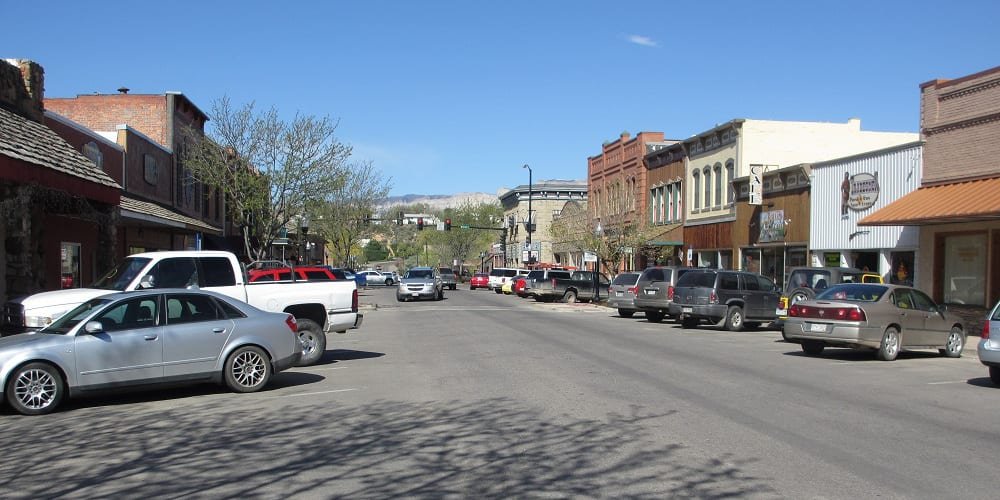
Exit 90 on Interstate 70 is the first thing a site selector checks in Rifle, and it is the reason we treat this town as a true distribution location on the Western Slope. Rifle, at about 5,519 feet, is reached from that exit roughly 26 miles west of Glenwood Springs and about 60 miles northeast of Grand Junction. U.S. 6 runs through town, and State Highway 13 crosses the interstate and continues about 41 miles north to Meeker. Trucks can load at a Rifle dock and be on the interstate in minutes.
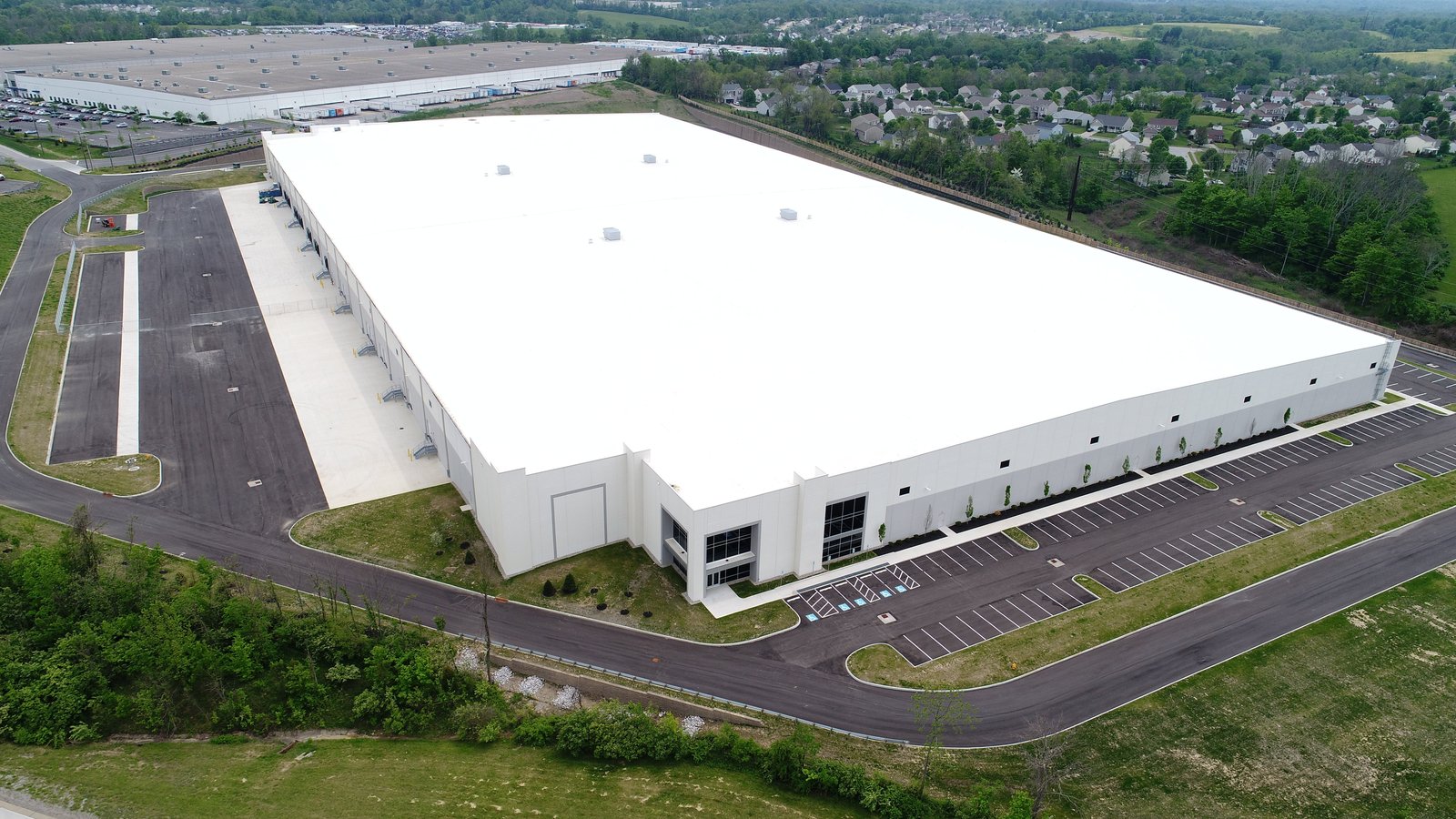
That access suits a builder who thinks in interchange distance, truck court depth and door count. We build distribution centers, contractor yards and light industrial shops on pads sized for tractor-trailers, with a clear height of 28 to 36 feet where racking is planned. The first questions we ask are how many trailers sit on site, how they enter and exit, and where they queue without blocking the road.
The second set of questions is about volatility. Rifle lies in the Piceance Basin, and its economy has cycled through booms and busts tied to the fossil fuel industry after earlier growth as a ranching center and railroad commercial hub. A building that serves only one industry is a risk, so we draw every shell to be re-leased.
Users who value the interchange
Likely tenants include regional distributors, oilfield and construction suppliers, fleet operators, parcel carriers and building-products yards that cover the I-70 corridor from Glenwood Springs to Grand Junction. A 3PL operator can serve both ends of that corridor from one dock wall, with overnight stock and morning departures. Contractor-supply users want covered storage, bulk bins and drive-in doors alongside the dock positions.
The Bustang bus service connects Rifle to Grand Junction and Denver, and Rifle Garfield County Airport serves the town. We mention them because workforce commute options matter to employers, not because they are freight routes. A tenant who needs shift workers wants to know that employees can reach the site, and parking counts are part of our plan.
Garfield County requirements for commercial work
For unincorporated parcels, Garfield County's commercial requirements list the 2015 IBC, IFC, IFGC, IMC and IPC with the 2018 IECC, updated July 1, 2023, along with a 115 mph ultimate wind speed and Seismic Design Category B or C. A parcel inside Rifle's city limits is reviewed by the city, so we confirm the authority and the current adopted edition before design, and we do not assume the county table applies.
The county requires a 40 psf roof snow load up to 7,000 feet in elevation, which covers Rifle, and a 36 inch frost depth up to 8,000 feet, with ice shield underlayment at roofs. Those numbers fix joist spacing, deck type, footing depth and the roofing specification. We write them into the design basis on page one so the structural, civil and architectural teams work from the same assumptions.
Sizing the truck court before the building
We design the truck court first and the building second. A cross-dock or distribution building lives or dies on how trucks move, so we sketch the entry, the stacking lane, the 130 foot or deeper maneuvering apron and the trailer parking before we set column lines. On a pad beside the interstate, drainage and snow storage are part of the same conversation.
When the use includes cross-docking, our cross-dock facilities package puts doors on both long walls, narrows the building to 120 to 160 feet and sets the dock leveler capacity for the weights the tenant ships. Offices sit at the corners to keep the floor open, and the slab is poured to flatness tolerances that match the material handling equipment.
Fast delivery for an uncertain market
In a market with boom and bust cycles, speed to occupancy is worth money. We pursue early utility applications, preordered steel and a permit path that runs while the geotechnical report is finalized. The goal is to turn a signed lease into a building the tenant can stock within a single construction season where the site allows it.
Weather sets the order of work. Footings and underground utilities go in before hard freezes, tilt panels or steel go up once foundations have cured, and the building is dried in before interior slabs and finishes begin. We give owners a schedule showing the dry-in date, the power-on date and the racking-ready date as separate milestones.
Services that complete a Rifle building
Most Rifle buildings need more than a shell. A site utilities package brings power, water, sewer and fire service to the pad, and a fire protection design with ESFR coordination makes sure the sprinkler system suits the stored commodity and rack height. Both of those can control the schedule, so we begin them early.
For users who will add capacity later, we also plan a warehouse expansion path: a knock-out wall, space for another bay and oversized utility stubs. Next door, Glenwood Springs and Grand Junction serve different buyers on the same corridor, and we are happy to compare all three sites for a tenant before commitments are made.
Bring the lease terms and the truck count
Send the use, the trailer count and the parcel. We will return a truck court layout, a code check and a schedule for your Rifle building.
Common Questions
How close is a Rifle site to the interstate?
Rifle is reached from I-70 Exit 90, and U.S. 6 runs through town. Parcels vary, so we measure the actual truck route from the dock to the on-ramp, including turns, signals and any grade. A site that looks close on a map can still be slow for a loaded trailer.
What snow load and frost depth do you design for?
For Garfield County commercial projects the listed roof snow load is 40 psf up to 7,000 feet, which covers Rifle, with a 36 inch frost depth. A parcel in the city is reviewed by the city, so we verify its adopted values as well. Those numbers go on the first sheet of the design.
Is the energy economy a risk for a speculative warehouse?
It is a factor. Rifle has cycled through booms and busts, so we avoid building for a single industry. A clear-span shell with good truck access, standard power and an expandable pad can serve distribution, fleet, supply and light industrial users.
Can you coordinate fire protection for high racking?
Yes. We bring the fire protection contractor in during design so sprinkler type, water supply and rack layout are aligned. ESFR systems have rules for rack height, commodity class and clearance, and they affect the roof structure and the fire line size.
What is a realistic schedule for a 50,000 square foot shell?
It depends on the permit, utilities and season, but we plan the sequence as design and permit, foundations, shell, dry-in, then interior and site completion. We show you the dates that control the path, usually utilities and steel, in the first schedule we issue.