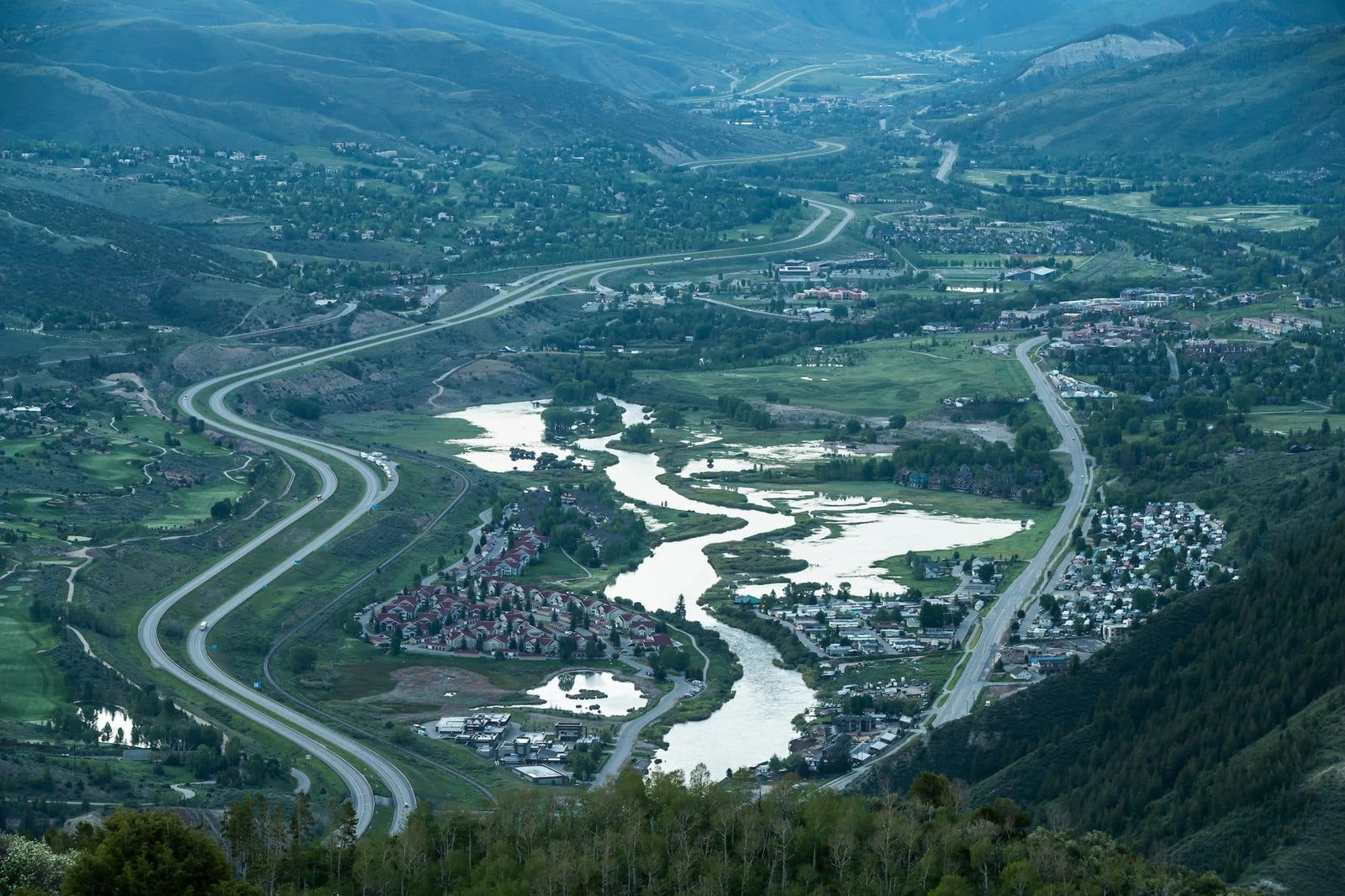

Delivery math in Eagle County starts at Vail Pass, and a distributor who stocks on the valley floor skips that climb for every local order. The pass tops out at 10,662 feet, carries I-70 and formerly U.S. 6 between Vail and Copper Mountain, and has a maximum 7% grade and frequent weather related hazardous driving conditions. We build warehouse, cold-storage and trades space in the valley for operators who want their trucks loaded and rolling before the weather decides for them.
Eagle County's resort economy buys in volume and wants it fast: restaurant and hotel suppliers, linen and equipment services, contractors, property managers and parcel carriers all need dock-high doors, racking and a place to turn a truck. Eagle County Regional Airport adds to the picture with a 9,000 by 150 foot runway, 4 airlines and 6 gates, and it recorded 289,867 enplanements in 2024. We treat those figures as demand signals for visitor-driven deliveries, not as cargo statistics.
Our job is to make the building a good bet for a developer or a tenant. That means clear height that matches the racking plan, sprinklers that suit the commodity, a truck court that works in snow and a permit package that answers the county's questions before they are asked.
The building package for a valley distribution user
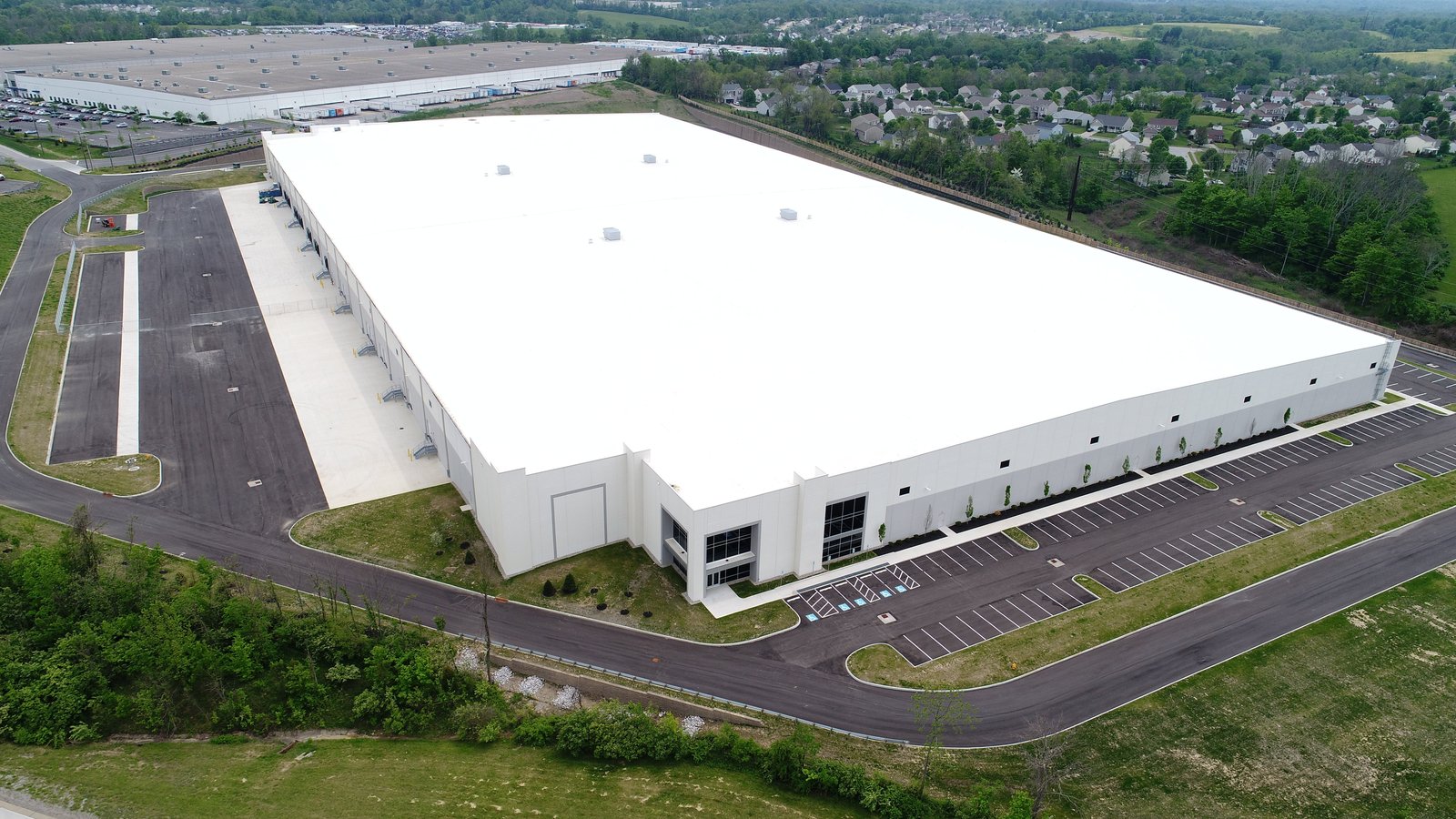
A typical Eagle County package is a 20,000 to 80,000 square foot insulated shell with 26 to 32 feet of clear height, a handful of dock-high positions, drive-in doors for vans and a finished office or mezzanine for dispatch. We include a heated vestibule at high-traffic doors, an insulated roof system sized for heavy snow and a floor designed for lift trucks and racking.
Food and beverage service companies often need a cooler or freezer. When they do, we integrate a cold storage warehouse room with the shell, including under-slab heat, vapor barriers and a vestibule that keeps frost off the dock. The refrigeration, electrical and fire protection are coordinated during design, not squeezed in after the structure is set.
Eagle County's resolution, snow and frost
Eagle County's Building Resolution, amended January 21, 2025, adopts the 2021 International Building Code with Appendices C, E, I and J, plus the 2021 IRC, and the fire codes are amended and adopted by Vail Fire and Emergency Services and other fire districts. That makes the fire district a partner in the review, so we bring its requirements into the design early, including access, hydrant spacing and sprinkler design.
The county amends IBC 1809.5 to require footings subject to frost to be at least 48 inches deep, and it replaces IBC 1608.2 so snow loads come from the 2016 Colorado Ground Snow Map or Colorado Design Snow Loads, using the more restrictive of that map and ASCE 7. We evaluate both sources for the parcel and design to the one that governs. Frost depth of 48 inches affects footing depth, slab edge details and utility trench depths, all of which are priced individually.
Wildfire hazard ratings and defensible space
Eagle County wildfire regulations apply to all new construction in unincorporated areas, assign each project a low, moderate, high or extreme hazard rating, and require defensible space and ignition resistant construction in moderate, high and extreme zones. For a warehouse, the rating shapes the roof covering, vents, siding, glazing and the landscape setback. It also affects where we put propane tanks, pallet yards and dumpsters.
We obtain the hazard rating early, because a project in a moderate or high zone needs materials and details that are not in a standard shell package. Fire access, water supply and the sprinkler design are developed with the fire district at the same time. This is where ESFR sprinkler coordination becomes part of the site plan, not only the interior layout.
Services that pair with a valley warehouse
A valley warehouse is rarely a standalone building. The last-mile parcel hub model suits carriers who need quick turnaround, and the build-to-suit warehouse approach fits a tenant who knows its racking, dock count and fleet. We offer the same coordinated package for each: shell, site, utilities and permits.
Where a tenant needs customer-facing space alongside storage, we plan a showroom or counter at the front of the building with separate parking and a clear separation from truck traffic. That keeps retail visitors out of the truck court and helps the building function in winter, when snow storage and parking compete for space.
From the valley floor to the surrounding towns
Eagle County sits between Frisco and Summit County to the east and Glenwood Springs to the west along the interstate corridor. A distributor can serve several of those markets from a single Eagle County building, and we help owners decide whether a second hub in a neighboring area is justified by volume.
We apply the same design discipline in each location while respecting the local code. Because the county, the towns and the fire districts each have their own rules, a project that crosses a boundary needs a plan that spells out which authority reviews which part. A distributor serving cold chain food customers across the corridor benefits most from that clarity.
Bring the parcel and the fire district
Send the parcel, the use and the product temperature. We will confirm the hazard rating, snow load and fire district requirements, then return a budget for your Eagle County building.
Common Questions
How deep are footings in Eagle County?
The county amends IBC 1809.5 to require footings subject to frost to be at least 48 inches deep. We detail footings, slab edges and utility trenches to that depth and insulate where a heated building meets frozen ground.
How is snow load determined?
The county replaces IBC 1608.2 so snow loads come from the 2016 Colorado Ground Snow Map or Colorado Design Snow Loads, using the more restrictive of that map and ASCE 7. We check both for your parcel and design to the higher value.
Does wildfire regulation apply to a commercial building?
The county wildfire regulations apply to all new construction in unincorporated areas. Each project receives a hazard rating from low to extreme, and moderate, high and extreme zones require defensible space and ignition resistant construction. We obtain the rating before design is final.
Who reviews fire protection?
Fire codes are amended and adopted by Vail Fire and Emergency Services and other fire districts, so the district in which your parcel sits matters. We meet with the right district early to settle access, water supply and sprinkler design.
Can a distribution building here serve neighboring markets?
Often, yes, with the interstate corridor connecting valley towns. Vail Pass, at 10,662 feet, adds delivery time and weather risk in one direction, so we model service radius and fleet needs before recommending a size.
What does the airport add to demand?
Eagle County Regional Airport recorded 289,867 enplanements in 2024, which reflects visitor traffic that drives lodging, dining and retail deliveries. We do not treat it as cargo volume, but it supports steady local demand for supply and staging space.